Top interior design ideas can turn any home into a stylish, functional space. Whether someone is renovating a single room or refreshing an entire house, the right design choices make a lasting impact. Today’s trends blend comfort with aesthetics, focusing on materials, colors, and layouts that reflect personal style while staying practical.
This guide covers five powerful interior design ideas that homeowners and renters alike can use. From natural textures to sustainable choices, these approaches work for various budgets and spaces. Each idea offers a fresh way to update a living environment without a complete overhaul.
Table of Contents
ToggleKey Takeaways
- Top interior design ideas blend natural materials like wood, stone, and linen to create warm, inviting spaces with lasting appeal.
- Bold colors and statement walls offer a low-commitment way to transform rooms and add personality to your home.
- Maximizing natural light through mirrors, sheer curtains, and open layouts makes spaces feel larger and improves mood.
- Sustainable choices like reclaimed wood furniture, LED lighting, and low-VOC paints benefit both the environment and your wallet.
- Mixing vintage finds with modern pieces creates unique, personalized interiors that tell a story and spark conversation.
- These interior design ideas work across various budgets and spaces without requiring a complete home overhaul.
Embrace Natural Materials and Textures
Natural materials bring warmth and character to any room. Wood, stone, rattan, and linen create visual interest while adding tactile appeal. These materials connect indoor spaces to the outdoors, making rooms feel grounded and inviting.
Hardwood floors remain a top interior design idea for good reason. They last for decades, age beautifully, and pair well with almost any style. For those who can’t install new flooring, large jute rugs or bamboo mats offer a similar effect.
Stone accents work well in kitchens and bathrooms. A marble countertop or slate backsplash adds texture without overwhelming the space. Even small touches, like a travertine soap dish or granite coasters, contribute to the natural aesthetic.
Textiles matter too. Linen curtains, cotton throws, and wool blankets layer softness into a room. These fabrics feel good to touch and photograph well, which matters for anyone who shares their space on social media. Mix textures freely: pair a smooth leather chair with a chunky knit pillow, or set a sleek glass vase on a rough-hewn wood table.
Plants deserve mention here. Live greenery counts as a natural element that purifies air and boosts mood. A fiddle leaf fig in the corner, succulents on a windowsill, or trailing pothos on a shelf, all bring life to interior spaces.
Play With Bold Colors and Statement Walls
Color transforms rooms faster than almost any other design element. While neutrals remain popular, bold colors have made a strong comeback in interior design ideas for 2024 and 2025.
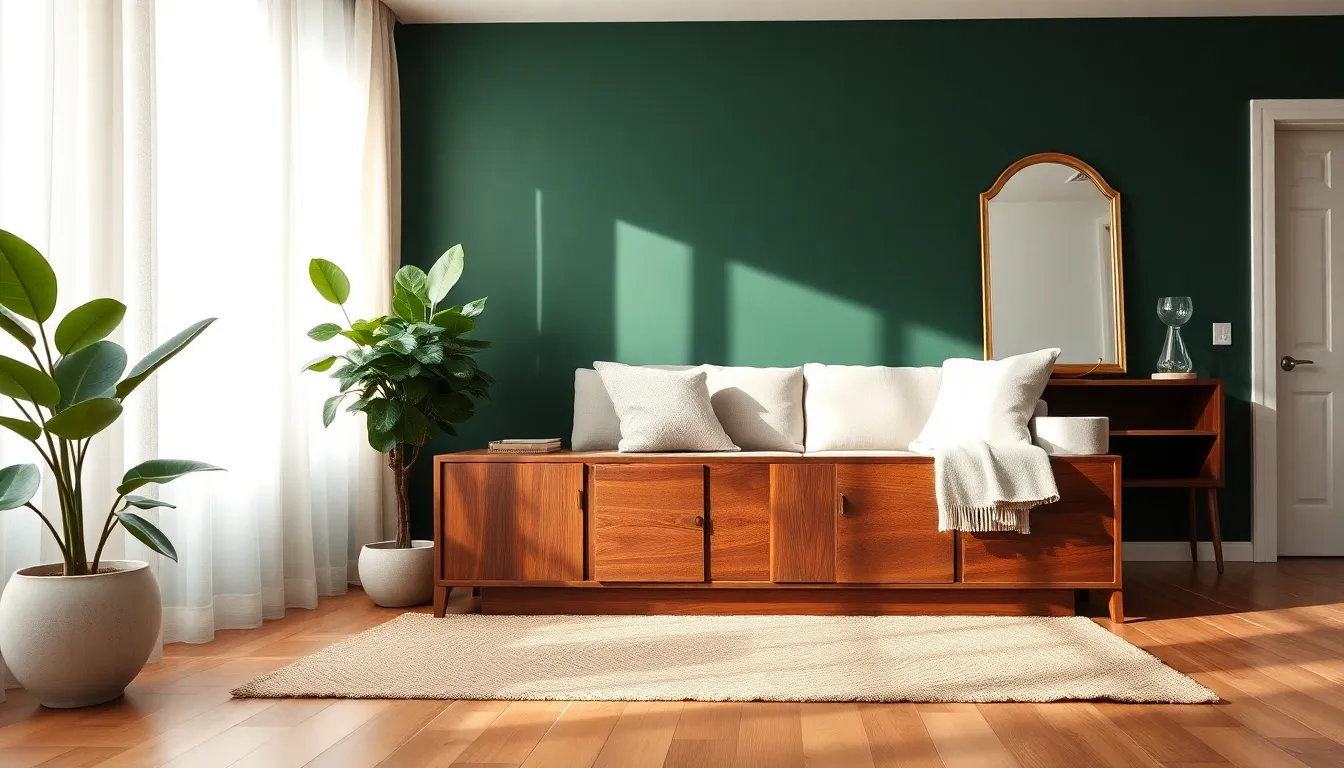
Statement walls offer a low-commitment way to experiment with color. A single wall painted in deep forest green, rich navy, or terracotta orange creates a focal point without overwhelming the entire room. This approach works especially well behind a bed, sofa, or dining table.
Wallpaper has evolved beyond grandmother’s floral prints. Today’s options include geometric patterns, botanical designs, and textured finishes that add dimension. Peel-and-stick varieties make installation easy and rental-friendly.
For those hesitant about permanent changes, colorful furniture and accessories deliver impact. A mustard yellow armchair, coral throw pillows, or emerald green curtains inject personality into neutral spaces. Art provides another opportunity, a large, colorful canvas can anchor a room and spark conversation.
Color psychology matters in interior design. Blues and greens promote calm, making them ideal for bedrooms and bathrooms. Yellows and oranges energize spaces, suiting kitchens and home offices. Consider how a room will be used before choosing its palette.
Don’t fear the dark side either. Black walls, charcoal furniture, and deep jewel tones create drama and sophistication. These darker choices photograph beautifully and make lighter elements pop.
Maximize Natural Light and Open Layouts
Light shapes how people experience interior spaces. Natural light makes rooms feel larger, improves mood, and reduces energy costs. Maximizing it ranks among the most effective interior design ideas.
Window treatments matter more than most people realize. Heavy drapes block light and make rooms feel smaller. Sheer curtains, on the other hand, filter sunlight while maintaining privacy. Plantation shutters offer adjustable control, open them wide during the day, close them at night.
Mirrors amplify natural light. Placing a large mirror opposite a window bounces light throughout the room, effectively doubling its impact. Mirrored furniture and metallic accents achieve similar effects on a smaller scale.
Open layouts continue to dominate top interior design ideas. Removing unnecessary walls creates flow between living, dining, and kitchen areas. For those who can’t knock down walls, visual tricks help. Consistent flooring across rooms creates continuity. Keeping sightlines clear, avoiding tall furniture that blocks views, makes spaces feel connected.
Furniture placement affects openness too. Floating furniture away from walls creates better flow than pushing everything against the perimeter. A sofa positioned in the center of a room, with space behind it, feels more intentional than one shoved against a wall.
Light-colored walls and ceilings reflect natural light better than dark ones. White, cream, and pale gray bounce light around, making even small rooms feel airy. Glossy paint finishes reflect more light than matte ones.
Incorporate Sustainable and Eco-Friendly Elements
Sustainability has moved from niche concern to mainstream priority. Eco-friendly interior design ideas appeal to environmentally conscious homeowners and often save money over time.
Reclaimed wood furniture tells a story. Old barn boards become dining tables. Salvaged doors transform into headboards. These pieces carry history and reduce demand for new lumber. Many furniture makers now specialize in reclaimed materials, making such items accessible.
Energy-efficient lighting represents an easy win. LED bulbs use 75% less energy than incandescent ones and last years longer. Smart lighting systems let users control brightness and timing, reducing waste further.
Low-VOC paints protect indoor air quality. Traditional paints release volatile organic compounds that irritate airways and contribute to pollution. Low-VOC and zero-VOC alternatives perform just as well without the harmful emissions.
Secondhand shopping supports sustainability while offering unique finds. Vintage furniture, antique accessories, and thrifted art cost less than new items and keep usable goods out of landfills. Online marketplaces make finding specific pieces easier than ever.
Natural fiber textiles, organic cotton, hemp, bamboo, and wool, break down at end of life instead of lingering in landfills like synthetic fabrics. They also tend to feel better against skin and regulate temperature naturally.
Energy-efficient windows and proper insulation reduce heating and cooling costs. While these upgrades require investment, they pay for themselves over time and increase home value.
Mix Vintage Finds With Modern Pieces
The best interior design ideas often blend old and new. Mixing vintage finds with modern pieces creates depth and personality that catalog-perfect rooms lack.
Vintage items add soul to a space. A mid-century modern credenza, an antique mirror, or grandmother’s armchair brings history into the home. These pieces stand out against contemporary backgrounds, creating visual interest and conversation starters.
Balance matters when mixing eras. Too many vintage items can feel cluttered or dated. A good rule: anchor the room with modern basics, a clean-lined sofa, simple coffee table, contemporary lighting, then layer in vintage accents.
Scale and proportion help different pieces coexist. A large antique armoire pairs well with a sleek modern bed if their heights and visual weights balance. Small vintage accessories work against clean modern surfaces without competing for attention.
Color ties disparate pieces together. If a vintage chair clashes with modern decor, reupholstering it in a coordinating fabric unifies the look. Similarly, painting an antique dresser in a contemporary color bridges the gap between old and new.
Flea markets, estate sales, and antique shops offer hunting grounds for vintage treasures. Apps and websites dedicated to secondhand goods expand options further. Patience pays, the perfect piece often appears when least expected.
This mixing approach means no two homes look identical. It reflects the owner’s taste, travels, and history rather than a single store’s inventory.