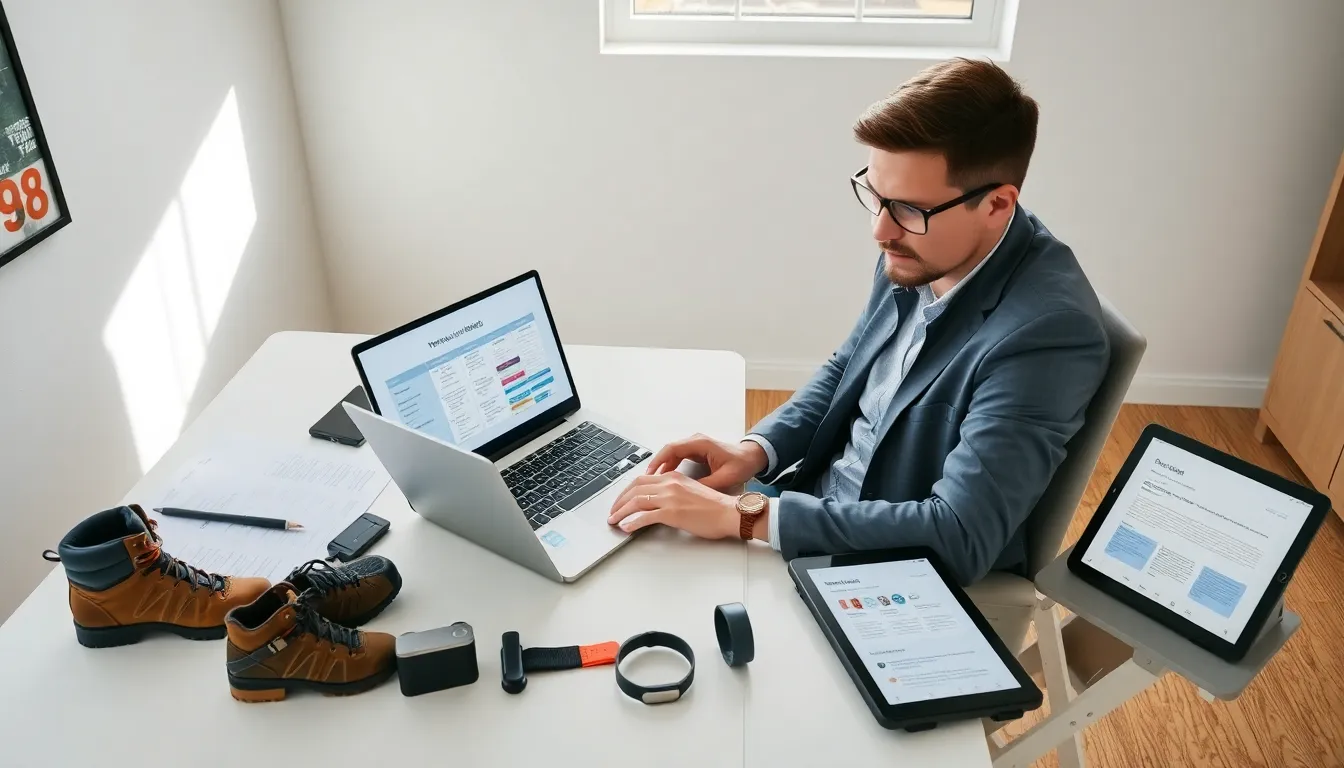
Finding the right gear recommendations can feel overwhelming. Hundreds of options exist for every product category, and marketing claims often obscure what actually matters. Whether someone needs hiking boots, camera equipment, or fitness trackers, the process of choosing gear requires a clear strategy.
Good gear recommendations save time, money, and frustration. They match specific needs to proven products. Bad recommendations lead to returns, regret, and wasted resources.
This guide breaks down how to get gear recommendations that actually work. It covers identifying requirements, finding reliable sources, comparing options, and using real-world feedback to make confident decisions.
Table of Contents
ToggleKey Takeaways
- Define your specific activity, budget, and skill level before seeking gear recommendations to get targeted, useful advice.
- Cross-reference trusted review sites like Outdoor Gear Lab, Wirecutter, and RTINGS to validate gear recommendations with structured testing data.
- Create a feature matrix spreadsheet to compare gear recommendations systematically and identify trade-offs at a glance.
- Separate must-have features from nice-to-haves to prevent budget creep and focus on what truly matters.
- Leverage Reddit communities and forums for unfiltered, real-world gear recommendations from experienced users.
- Analyze negative reviews for patterns—they often reveal legitimate product issues that professional reviews may overlook.
Identify Your Specific Activity And Requirements
The first step in getting useful gear recommendations starts with honest self-assessment. What activity does this gear support? How often will someone use it? What conditions will it face?
Vague goals lead to vague recommendations. “I need a tent” provides little direction. “I need a three-season backpacking tent for solo trips in the Pacific Northwest under $300” gives reviewers and salespeople something concrete to work with.
Define Primary Use Cases
Most gear serves multiple purposes, but one use typically dominates. A camera might shoot portraits 80% of the time and landscapes 20%. That ratio should influence lens and body gear recommendations.
Write down the top three scenarios for using the gear. Include location, frequency, and duration. This list becomes the filter for evaluating every recommendation that follows.
Set Realistic Budget Parameters
Budget shapes gear recommendations more than almost any other factor. High-end gear often performs marginally better than mid-range options but costs significantly more.
Determine a budget range, not a single number. A $200-$350 range for running shoes allows flexibility while preventing analysis paralysis. This range also helps reviewers and communities provide relevant gear recommendations instead of dream-list items.
Account For Skill Level And Growth
Beginners often overbuy or underbuy. Someone starting rock climbing doesn’t need professional-grade equipment, but they also shouldn’t buy gear they’ll outgrow in three months.
Honest skill assessment leads to better gear recommendations. Intermediate users benefit most from gear that matches current abilities while leaving room for progression.
Research Trusted Sources And Expert Reviews
Not all gear recommendations carry equal weight. A sponsored Instagram post differs vastly from an independent testing lab’s analysis. Learning to identify credible sources separates good gear recommendations from paid promotions.
Professional Review Sites
Dedicated review sites earn trust through methodology and transparency. They test products systematically, disclose affiliate relationships, and update recommendations when better options emerge.
Look for sites that explain their testing process. How many miles did they put on those hiking boots? Did they test the waterproof jacket in actual rain? Specifics signal legitimate gear recommendations.
Outdoor Gear Lab, Wirecutter, and RTINGS represent different approaches to gear recommendations. Each uses structured testing and clear criteria. Cross-referencing their conclusions provides a balanced view.
Expert Credentials Matter
The person making gear recommendations should have relevant experience. A mountain guide’s advice on ice axes carries more weight than a lifestyle blogger’s.
Check author bios. Look for professional certifications, years of experience, or competitive achievements in relevant fields. These credentials don’t guarantee perfect gear recommendations, but they suggest informed opinions.
Watch For Red Flags
Some warning signs indicate unreliable gear recommendations:
- Every reviewed product receives positive ratings
- No mention of product weaknesses or limitations
- Excessive affiliate links without disclosure
- Generic descriptions that could apply to any product
- No evidence of hands-on testing
Skepticism protects buyers from promotional content disguised as honest gear recommendations.
Compare Features, Quality, And Price Points
With requirements defined and sources identified, comparison becomes the next phase. Effective comparison requires organizing information systematically rather than bouncing between product pages.
Create A Feature Matrix
Spreadsheets transform scattered gear recommendations into actionable data. List candidate products as rows and key features as columns. This format reveals patterns invisible when reading individual reviews.
Include quantifiable specs like weight, dimensions, and capacity. Add subjective scores from trusted reviews. Note price points and warranty terms. The matrix makes trade-offs obvious.
Distinguish Must-Haves From Nice-To-Haves
Every gear recommendation emphasizes different features. Separating essential requirements from preferences prevents feature creep from inflating budgets.
A must-have might be waterproof rating for rain gear. A nice-to-have might be pit zips for ventilation. Gear recommendations that nail the must-haves deserve priority over options with attractive extras.
Evaluate Long-Term Value
Initial price tells part of the story. Durability, repair options, and resale value complete it.
Quality gear recommendations often point toward products that cost more upfront but last longer. A $150 backpack lasting eight years beats a $60 bag replaced every two years.
Warranty policies also indicate manufacturer confidence. Lifetime warranties on gear recommendations suggest products built to last.
Leverage Community Feedback And User Experiences
Professional reviews test products under controlled conditions. Community feedback reveals how gear performs in real life over extended periods.
Reddit And Forum Deep Dives
Subreddits like r/CampingGear, r/BuyItForLife, and hobby-specific communities offer unfiltered gear recommendations. Users share honest opinions without affiliate incentives.
Search these communities before asking questions. Most common gear recommendations have been discussed extensively. Existing threads contain years of accumulated wisdom.
When posting questions, include specific requirements. “Best budget tent?” generates generic responses. “Best budget tent for desert camping in Arizona during spring?” triggers targeted gear recommendations from experienced users.
Analyze Negative Reviews Carefully
Five-star reviews often lack detail. One and two-star reviews expose actual problems. Reading negative feedback reveals common failure points and user frustrations.
Some negative reviews reflect user error rather than product flaws. Others highlight legitimate issues. Pattern recognition matters, isolated complaints differ from repeated criticisms across multiple gear recommendations.
Ask Follow-Up Questions
Community members often provide additional context when asked. Someone recommending a specific product might share how long they’ve owned it, what conditions they’ve tested it in, and what they’d choose differently.
These conversations transform anonymous gear recommendations into personalized advice. They also build relationships with knowledgeable enthusiasts who can help with future purchases.