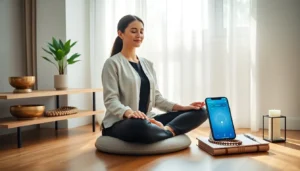
Mindfulness practices vs. traditional relaxation techniques, it’s a comparison many people face when searching for stress relief. Both approaches offer real benefits, but they work differently. Mindfulness asks practitioners to stay present and observe their thoughts without judgment. Traditional relaxation techniques focus on calming the body through physical methods like deep breathing or muscle relaxation.
So which one fits your life better? The answer depends on your goals, schedule, and personal preferences. This guide breaks down the core differences, examines the benefits of each approach, and helps you decide which method, or combination, might work best for your situation.
Table of Contents
ToggleKey Takeaways
- Mindfulness practices focus on present-moment awareness and observing thoughts without judgment, while traditional relaxation techniques target physical stress responses directly.
- Traditional relaxation techniques like progressive muscle relaxation offer immediate physical relief, making them ideal for acute stress and muscle tension.
- Mindfulness practices can be integrated into daily activities like eating or commuting, offering flexibility for busy schedules.
- Research shows mindfulness practices can reduce anxiety, improve focus, and lower cortisol levels over time.
- Combining mindfulness practices with traditional relaxation techniques addresses both mental and physical aspects of stress for comprehensive relief.
- Choose your approach based on your goals—mindfulness for long-term emotional growth, traditional techniques for immediate symptom management.
Understanding Mindfulness Practices
Mindfulness practices involve focusing attention on the present moment. Practitioners observe their thoughts, feelings, and physical sensations without trying to change them. The goal isn’t to empty the mind, it’s to notice what’s happening right now.
Common mindfulness practices include:
- Meditation: Sitting quietly and focusing on breath, bodily sensations, or a specific thought
- Body scanning: Moving attention slowly through different body parts to notice tension or discomfort
- Mindful eating: Paying full attention to the taste, texture, and experience of food
- Walking meditation: Focusing on each step and the sensations of movement
Mindfulness practices have roots in Buddhist traditions but have gained mainstream acceptance in Western healthcare. Research from institutions like Harvard Medical School shows that regular mindfulness practice can reduce anxiety, improve focus, and even change brain structure over time.
One key feature of mindfulness practices is their emphasis on non-judgment. When a distracting thought appears, practitioners simply notice it and return focus to the present. This trains the brain to respond to stress with awareness rather than automatic reactions.
Mindfulness practices can happen anywhere. Someone can practice mindfulness while washing dishes, commuting to work, or waiting in line. This flexibility makes mindfulness practices accessible to people with busy schedules.
How Traditional Relaxation Techniques Differ
Traditional relaxation techniques take a different approach. They target the body’s physical stress response directly. Instead of observing thoughts, these methods aim to trigger the parasympathetic nervous system, the body’s “rest and digest” mode.
Popular traditional relaxation techniques include:
- Progressive muscle relaxation (PMR): Tensing and releasing muscle groups in sequence
- Deep breathing exercises: Slow, controlled breathing patterns that lower heart rate
- Visualization: Imagining peaceful scenes or positive outcomes
- Autogenic training: Using verbal cues to create feelings of warmth and heaviness in the body
These techniques emerged from Western psychology and medicine in the early 20th century. Dr. Edmund Jacobson developed progressive muscle relaxation in the 1920s, while German psychiatrist Johannes Schultz created autogenic training around the same time.
Traditional relaxation techniques work by interrupting the stress cycle at a physical level. When someone tenses and releases their muscles, blood pressure drops and breathing slows. The body receives clear signals that danger has passed.
Unlike mindfulness practices, traditional relaxation techniques don’t require sustained attention on thoughts or emotions. They provide a more structured, step-by-step process. For people who find open-ended meditation frustrating, these techniques offer concrete actions to follow.
Key Benefits of Each Approach
Benefits of Mindfulness Practices
Mindfulness practices deliver several well-documented benefits:
- Reduced rumination: Regular mindfulness practice helps people stop replaying negative thoughts
- Better emotional regulation: Practitioners learn to observe emotions without being controlled by them
- Improved attention span: Studies show mindfulness training increases the ability to focus
- Lower cortisol levels: Research indicates mindfulness can reduce the stress hormone cortisol
- Enhanced self-awareness: Practitioners develop a clearer understanding of their mental patterns
A 2014 meta-analysis published in JAMA Internal Medicine found that mindfulness meditation programs showed moderate evidence of improving anxiety, depression, and pain.
Benefits of Traditional Relaxation Techniques
Traditional relaxation techniques offer their own advantages:
- Immediate physical relief: Muscle tension decreases quickly during practice
- Lower blood pressure: Studies confirm these techniques can reduce hypertension
- Improved sleep quality: Relaxation before bed helps many people fall asleep faster
- Reduced headache frequency: Research links progressive muscle relaxation to fewer tension headaches
- Simple learning curve: Most techniques can be learned in a single session
Traditional relaxation techniques work well for people dealing with specific physical symptoms of stress. Someone with chronic muscle tension in their shoulders might see faster results with PMR than with mindfulness meditation alone.
Both approaches share some benefits. Both can lower anxiety, improve sleep, and reduce overall stress levels. The difference lies in how they achieve these outcomes and what additional benefits they provide.
Choosing the Right Practice for Your Lifestyle
Selecting between mindfulness practices and traditional relaxation techniques comes down to several factors.
Consider mindfulness practices if:
- You want to change how you relate to stress, not just manage symptoms
- You’re interested in long-term mental and emotional growth
- You prefer flexibility, practicing during daily activities
- You want to improve focus and self-awareness alongside stress relief
Consider traditional relaxation techniques if:
- You experience physical symptoms like muscle tension or headaches
- You prefer structured, step-by-step instructions
- You want immediate relief from acute stress
- You find sitting with your thoughts uncomfortable or frustrating
Many people combine both approaches. Someone might use progressive muscle relaxation for immediate tension relief and practice mindfulness meditation for deeper, lasting changes. This combination addresses both the physical and mental aspects of stress.
Time availability matters too. Mindfulness practices can be woven into existing activities, while traditional relaxation techniques usually require dedicated time. A busy parent might find mindful dishwashing more practical than a 20-minute PMR session.
Personality plays a role as well. People who enjoy introspection often take to mindfulness practices quickly. Those who prefer action-oriented solutions might gravitate toward traditional techniques.
Starting with one approach doesn’t lock anyone in. Many practitioners begin with traditional relaxation techniques because they’re easier to learn, then add mindfulness practices once they’ve built a foundation.