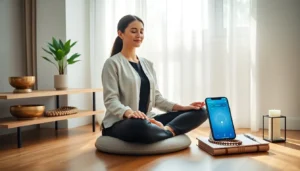
The best mindfulness practices can reshape how people experience each moment. Stress, distraction, and mental clutter affect millions of people daily. Mindfulness offers a practical solution. It trains the brain to focus on the present instead of worrying about the past or future. Research from Harvard Medical School shows that regular mindfulness practice reduces anxiety and improves emotional regulation. This guide covers proven mindfulness techniques that anyone can start using today. From breath awareness to mindful movement, these practices fit into busy schedules and deliver real results.
Table of Contents
ToggleKey Takeaways
- The best mindfulness practices train your brain to focus on the present moment, reducing anxiety and improving emotional regulation.
- Breath awareness meditation is ideal for beginners—start with just five minutes daily for consistent results.
- Body scan techniques help release physical tension you carry unconsciously and strengthen your mind-body connection.
- Mindful movement like walking meditation offers an effective alternative for those who struggle with seated meditation.
- Transform everyday activities like eating, listening, or waiting into informal mindfulness practices to build presence throughout your day.
What Is Mindfulness and Why Does It Matter
Mindfulness is the practice of paying attention to the present moment without judgment. It involves noticing thoughts, feelings, and physical sensations as they happen. The goal isn’t to empty the mind. Instead, mindfulness teaches people to observe their mental activity without getting swept away by it.
Why does mindfulness matter? The average person has roughly 6,000 thoughts per day, according to researchers at Queen’s University. Many of these thoughts repeat on a loop, often focusing on worries or regrets. Mindfulness practices break this cycle. They create space between stimulus and response.
The benefits extend beyond mental health. Studies published in JAMA Internal Medicine found that mindfulness meditation programs improve anxiety, depression, and pain. People who practice mindfulness regularly report better sleep quality and stronger focus during work. They also handle stress more effectively.
Mindfulness isn’t a religious practice, though it has roots in Buddhist meditation traditions. Today, it’s taught in hospitals, schools, corporations, and therapy offices worldwide. The best mindfulness practices are accessible to everyone, no special equipment or beliefs required.
Breath Awareness Meditation
Breath awareness meditation ranks among the best mindfulness practices for beginners. It uses something everyone already does, breathing, as an anchor for attention.
Here’s how to practice breath awareness:
- Find a comfortable seated position
- Close the eyes or soften the gaze
- Notice the natural rhythm of breathing
- Pay attention to where the breath feels most obvious (nostrils, chest, or belly)
- When the mind wanders, gently return focus to the breath
That last step is crucial. The mind will wander. That’s completely normal. Each time attention returns to the breath, it strengthens the brain’s ability to focus. Think of it like doing reps at the gym.
Start with five minutes daily. Consistency matters more than duration. Someone who meditates for five minutes every day will see better results than someone who does an hour once a week.
Breath awareness meditation works because breathing happens automatically, yet people can also control it consciously. This makes the breath a bridge between the unconscious and conscious mind. Focusing on it calms the nervous system and reduces the stress hormone cortisol.
Many people find morning sessions most effective. Starting the day with breath awareness creates a calm foundation. But any time works, lunch breaks, before bed, or during stressful moments.
Body Scan Technique
The body scan technique is another powerful mindfulness practice. It involves moving attention slowly through different parts of the body, noticing sensations without trying to change them.
A typical body scan follows this pattern:
- Start at the top of the head
- Move attention to the forehead, eyes, jaw, and neck
- Continue through the shoulders, arms, hands, and fingers
- Shift focus to the chest, belly, and lower back
- Finish with the hips, legs, feet, and toes
The body scan reveals how much physical tension people carry without realizing it. A clenched jaw. Tight shoulders. Held breath. These patterns often link to emotional stress.
This mindfulness practice also strengthens the mind-body connection. Many people spend their days “living in their heads,” disconnected from physical sensations. The body scan reverses this pattern.
Research supports the body scan’s effectiveness. A study in the journal Mindfulness found that body scan meditation reduced symptoms of burnout in healthcare workers. Participants reported feeling more present and less emotionally exhausted.
Body scans work well before sleep. Lying down, people can slowly move attention through the body, releasing tension as they go. Many people fall asleep before finishing, which is perfectly fine. The practice has still done its work.
Mindful Movement and Walking
Mindful movement proves that meditation doesn’t require sitting still. Walking meditation and mindful exercise offer the best mindfulness practices for people who struggle with traditional seated meditation.
Walking meditation works like this:
- Choose a path (indoors or outdoors, about 20-30 feet long)
- Walk slowly, paying attention to each step
- Notice the sensation of feet touching the ground
- Feel the weight shifting from one leg to the other
- When the mind wanders, return attention to walking
The pace should be slower than normal walking. Some practitioners move almost in slow motion. This deliberate slowness forces attention into the present moment.
Mindful movement extends beyond walking. Yoga, tai chi, and qigong all incorporate mindfulness principles. Even weight lifting or running can become mindfulness practices when done with full attention.
The key is focusing on physical sensations rather than goals. A mindful runner notices foot strikes, breathing patterns, and muscle engagement instead of thinking about pace or distance. This shift transforms exercise from a chore into a meditation.
Mindful movement offers unique benefits. It combines the mental health advantages of mindfulness with the physical benefits of exercise. People who practice mindful movement report feeling more connected to their bodies and more present throughout their days.
Incorporating Mindfulness Into Everyday Activities
Formal meditation isn’t the only path to mindfulness. Some of the best mindfulness practices happen during ordinary daily activities. Eating, showering, washing dishes, any routine task can become a mindfulness exercise.
Mindful eating provides a good example. Instead of eating while scrolling phones or watching television, mindful eating involves:
- Looking at food before eating it
- Noticing colors, textures, and smells
- Chewing slowly and tasting each bite
- Putting down utensils between bites
- Paying attention to hunger and fullness signals
This approach transforms meals into meditation sessions. People often discover they enjoy food more when eating mindfully. They also tend to eat less because they notice fullness sooner.
Mindful listening offers another opportunity. During conversations, people often plan their response instead of truly hearing what others say. Mindful listening means giving full attention to the speaker, noticing their words, tone, and body language without mentally preparing a reply.
Even waiting can become a mindfulness practice. Standing in line or sitting in traffic, people can use those moments to check in with their breath and body. These micro-practices add up throughout the day.
The goal is to shift from autopilot to presence. Most people move through daily routines without really experiencing them. Mindfulness practices, whether formal or informal, wake people up to their actual lives.