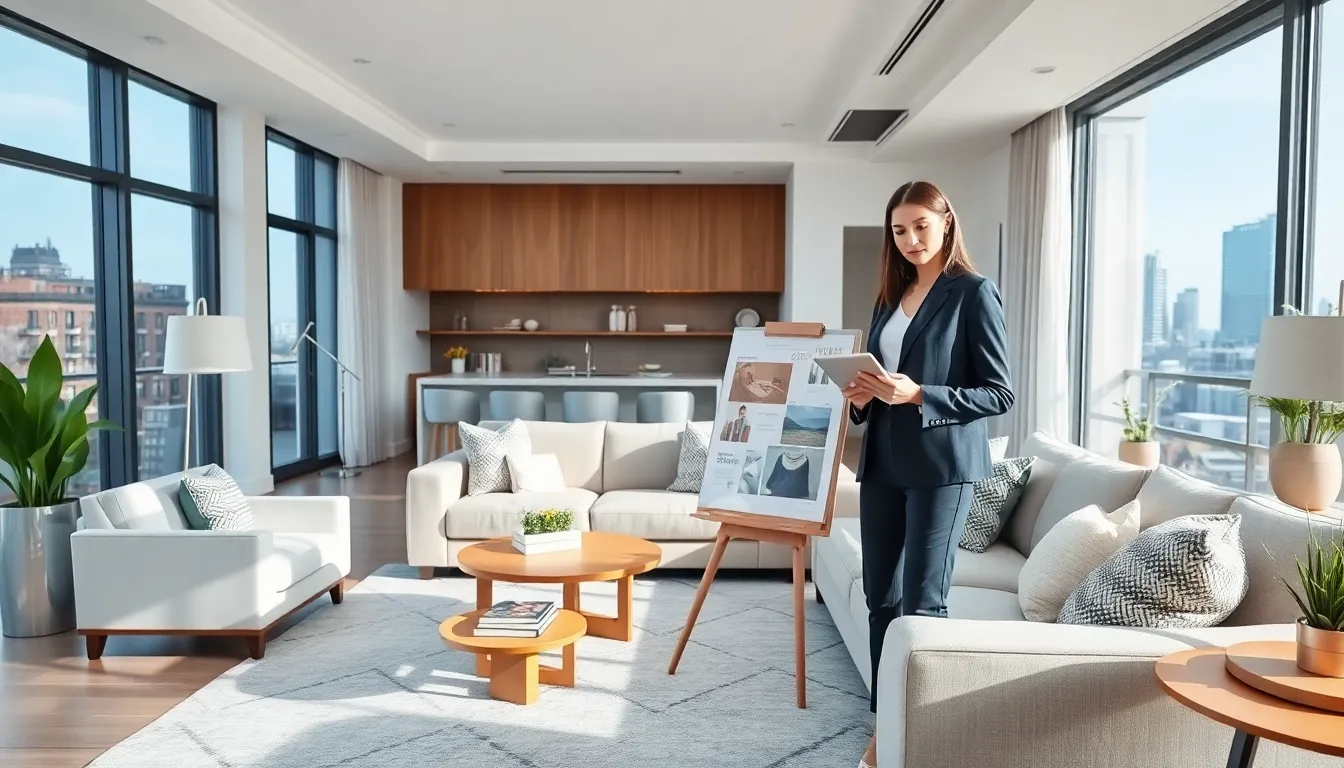
An interior design ideas guide can help anyone turn a bland room into a space that feels like home. Whether starting from scratch or refreshing an existing setup, the right design choices make all the difference. Good interior design goes beyond picking furniture. It reflects personality, supports daily routines, and creates environments where people actually want to spend time.
This guide covers essential interior design ideas for every skill level and budget. Readers will learn how to identify their personal style, explore popular design approaches, and apply practical tips room by room. The goal is simple: help anyone create spaces that look great and function even better.
Table of Contents
ToggleKey Takeaways
- Start your interior design journey by identifying your personal style through inspiration gathering and mood boards.
- Popular design styles like modern, Scandinavian, and bohemian each offer distinct approaches to transform your space.
- The best interior design ideas balance aesthetics with functionality, considering lifestyle needs like family, pets, or remote work.
- Apply room-specific strategies—arrange living rooms for conversation, keep bedrooms calm, and prioritize the work triangle in kitchens.
- Budget-friendly design is achievable through paint, secondhand shopping, DIY projects, and strategic investment in high-use furniture.
- Sometimes the most effective interior design ideas involve editing and rearranging what you already own rather than buying new items.
Understanding Your Personal Design Style
Before buying a single throw pillow, take time to define personal design preferences. Many people struggle with interior design ideas because they skip this step. They end up with rooms full of items that don’t work together.
Identify What You Love
Start by gathering inspiration. Pinterest boards, magazine clippings, and saved Instagram posts reveal patterns in taste. Notice recurring colors, textures, and furniture shapes. Someone drawn to warm wood tones and natural textures likely leans toward organic or rustic styles. A preference for clean lines and neutral palettes suggests modern or minimalist tastes.
Consider Lifestyle Needs
Design style must match real life. Families with young children need durable fabrics and rounded furniture edges. Pet owners should consider scratch-resistant materials. Remote workers require dedicated workspace areas. The best interior design ideas balance beauty with function.
Take Style Quizzes
Online design quizzes offer quick insights into style preferences. While not definitive, they provide useful starting points. Sites like Havenly, Modsy, and Houzz offer free assessments. These quizzes ask about color preferences, furniture choices, and lifestyle habits.
Create a Mood Board
A mood board brings scattered ideas into focus. Collect images, fabric swatches, paint chips, and material samples. Arrange them together to see how elements interact. Digital tools like Canva make this process easy. A cohesive mood board guides every future design decision.
Popular Interior Design Styles to Consider
Understanding major design styles helps narrow down interior design ideas. Each style has distinct characteristics, color palettes, and furniture choices.
Modern Design
Modern design features clean lines, minimal ornamentation, and functional furniture. Neutral color palettes dominate, with occasional bold accent pieces. Materials include steel, glass, and smooth wood. This style works well in smaller spaces because it avoids visual clutter.
Contemporary Design
People often confuse contemporary with modern, but they differ. Contemporary design reflects current trends and evolves over time. It borrows from multiple styles and emphasizes curves and soft edges. Color schemes range from neutral to bold depending on current fashion.
Scandinavian Design
Scandinavian interior design ideas prioritize simplicity, functionality, and connection to nature. Light wood tones, white walls, and cozy textiles define this style. The concept of “hygge”, Danish for coziness, drives design choices. Scandinavian spaces feel warm even though their minimal approach.
Industrial Design
Industrial style celebrates raw materials and exposed structures. Brick walls, metal fixtures, and visible ductwork create an urban loft aesthetic. Furniture tends toward practical pieces with visible construction. This style suits open floor plans and high ceilings.
Traditional Design
Traditional interior design ideas draw from European sensibilities. Rich colors, ornate details, and symmetrical arrangements characterize this style. Furniture features curved lines and decorative elements. Quality materials like silk, velvet, and polished wood create a refined atmosphere.
Bohemian Design
Bohemian style embraces color, pattern, and collected treasures. Rules are minimal, the focus is on personal expression. Layered textiles, global influences, and vintage finds create eclectic spaces. This style suits creative personalities who resist rigid design rules.
Room-by-Room Design Tips
Different rooms serve different purposes. Interior design ideas should address each space’s unique requirements.
Living Room
The living room functions as a social hub. Arrange seating to encourage conversation, facing sofas or chairs in a circular layout works well. Choose a focal point like a fireplace, large window, or statement art piece. Layer lighting with overhead fixtures, floor lamps, and table lamps. Add texture through rugs, pillows, and throws.
Bedroom
Bedrooms should promote rest. Keep color palettes calm and avoid stimulating hues like bright red. Invest in quality bedding, people spend one-third of life in bed. Position the bed as the focal point, ideally facing the door but not directly in line with it. Minimize electronics and clutter for better sleep.
Kitchen
Kitchen interior design ideas must prioritize function. The work triangle concept places the sink, stove, and refrigerator in efficient proximity. Adequate lighting matters for food preparation, under-cabinet lights eliminate shadows on work surfaces. Open shelving displays attractive dishes while keeping them accessible.
Bathroom
Bathrooms benefit from spa-like touches. Good lighting near mirrors helps with grooming tasks. Storage solutions hide toiletries and cleaning supplies. Plants that thrive in humidity add life to these spaces. Coordinated towels and accessories create a polished look.
Home Office
Remote work has made home office design essential. Position desks near natural light sources when possible. Ergonomic chairs prevent back pain during long work sessions. Storage systems keep supplies organized. Acoustic panels or rugs reduce echo in video calls.
Budget-Friendly Design Strategies
Great interior design ideas don’t require unlimited funds. Strategic spending creates impressive results on any budget.
Paint First
Paint offers the highest impact for lowest cost. A fresh color transforms any room instantly. Bold accent walls create drama without painting entire spaces. Quality paint covers better and lasts longer, making it worth the slight premium.
Shop Secondhand
Thrift stores, estate sales, and online marketplaces offer furniture at fraction of retail prices. Solid wood pieces from decades past often surpass new particle board options in quality. A fresh coat of paint or new hardware updates dated pieces.
DIY What You Can
Simple projects save significant money. Painting furniture, installing shelves, and sewing pillow covers are accessible skills. Online tutorials walk through most basic projects step by step. Start with low-risk items before tackling expensive pieces.
Invest Strategically
Some items deserve higher spending. Sofas, mattresses, and dining tables see daily use for years. Quality versions of these pieces cost more upfront but outlast cheap alternatives. Allocate budget to items touched or sat on daily.
Use What You Have
Rearranging existing furniture costs nothing. Move pieces between rooms for fresh looks. Rotate artwork and accessories seasonally. Sometimes the best interior design ideas involve editing rather than adding, removing excess items can transform cluttered spaces.