Top mindfulness practices help people reduce stress, improve focus, and build emotional balance. These techniques require no special equipment or training. Anyone can start today.
Mindfulness means paying attention to the present moment without judgment. Research from Harvard Medical School shows that regular mindfulness practice reduces anxiety and improves cognitive function. The benefits extend beyond mental health, practitioners often report better sleep, lower blood pressure, and stronger relationships.
This guide covers four proven mindfulness practices. Each technique offers a different approach to building awareness and calm. Readers will learn specific methods they can apply immediately, whether they have five minutes or an hour.
Table of Contents
ToggleKey Takeaways
- Top mindfulness practices like breath awareness, body scans, mindful movement, and gratitude journaling reduce stress and improve focus without requiring special equipment.
- Start with just five minutes of breath awareness meditation daily to build concentration and lower cortisol levels.
- Body scan techniques help identify and release chronic tension you may not realize you’re holding.
- Transform routine activities like walking or washing dishes into mindfulness opportunities by paying full attention to each sensation.
- Gratitude journaling for under two minutes daily can increase well-being scores by 25% and encourage healthier habits.
- Combining multiple mindfulness practices—such as morning meditation followed by gratitude journaling—creates a powerful routine for lasting benefits.
Breath Awareness Meditation
Breath awareness meditation forms the foundation of most mindfulness practices. This technique uses the breath as an anchor to bring attention back to the present moment.
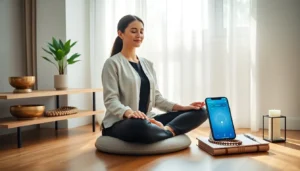
To begin, practitioners find a comfortable seated position. They close their eyes or soften their gaze. Then they direct attention to the natural rhythm of breathing, the inhale, the pause, the exhale.
The mind will wander. That’s normal. The practice isn’t about stopping thoughts but noticing when attention drifts and gently returning focus to the breath. Each return strengthens the mental muscle of concentration.
Getting Started with Breath Awareness
Beginners should start with just five minutes daily. Setting a timer removes the distraction of checking the clock. Morning sessions work well because the mind is fresh, though any consistent time builds the habit.
Some practitioners count breaths from one to ten, then start over. Others focus on the physical sensation of air entering the nostrils or the chest rising and falling. Both approaches serve the same purpose: giving the mind a single point of focus.
A 2023 study published in JAMA Internal Medicine found that participants who practiced breath-focused meditation for eight weeks showed significant reductions in cortisol levels. Their self-reported stress dropped by 23% compared to a control group.
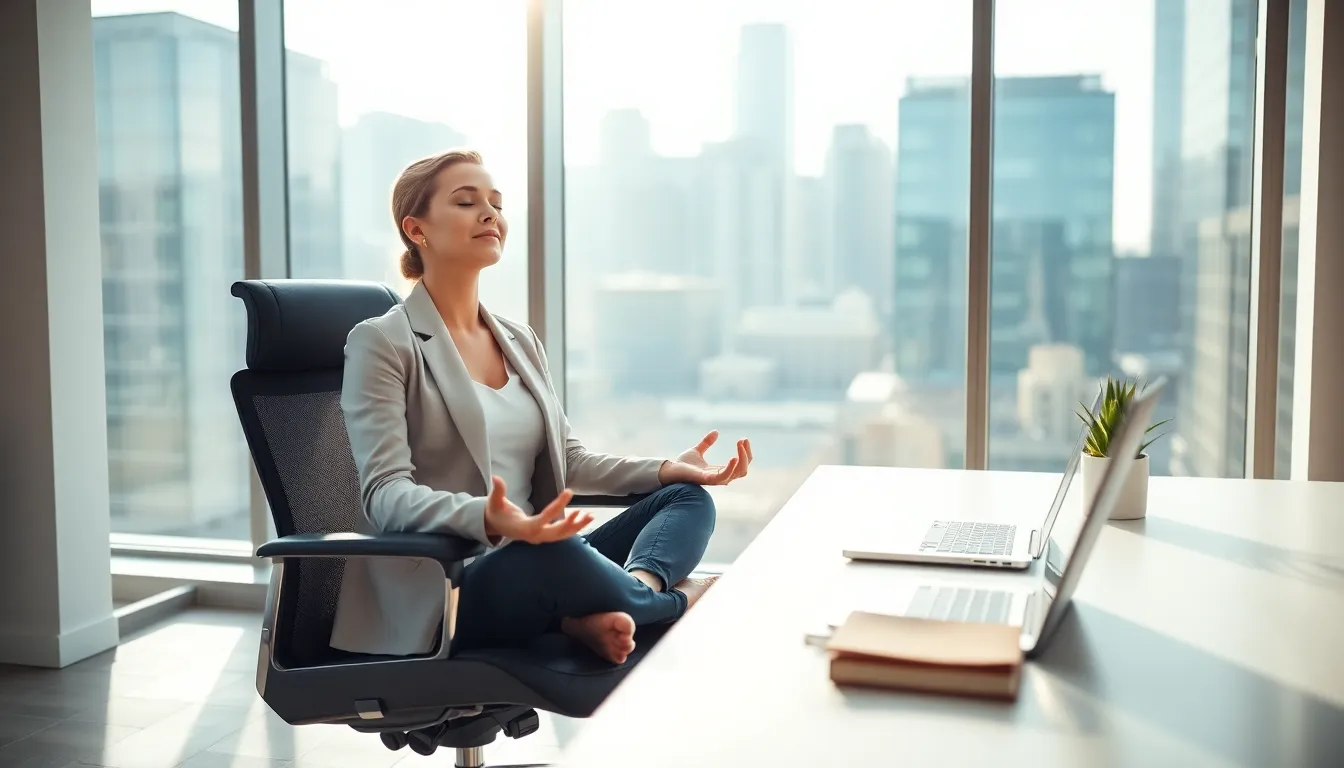
Breath awareness meditation requires no special skills. It works in any location, at a desk, on a train, or in bed before sleep. This accessibility makes it one of the top mindfulness practices for busy people.
Body Scan Technique
The body scan technique builds awareness of physical sensations throughout the body. This practice helps people identify where they hold tension and release it consciously.
Practitioners typically lie down for body scans, though sitting works too. They begin by focusing attention on one body part, usually the feet, and slowly move upward through the legs, torso, arms, and head.
At each area, they notice what they feel without trying to change anything. Tingling? Warmth? Tightness? The goal is observation, not correction.
How Body Scans Reduce Stress
Many people carry chronic tension without realizing it. Shoulders creep toward the ears. Jaws clench. The body scan reveals these patterns.
Once practitioners notice tension, they can choose to release it. A few deep breaths directed toward a tight area often loosens the muscles. Over time, people become more aware of their physical state throughout the day, catching tension before it builds.
Body scans also improve the mind-body connection. Athletes use this mindfulness practice to enhance performance awareness. Chronic pain patients report better management of symptoms through regular body scan practice.
A complete body scan takes 15 to 45 minutes. Shorter versions work during lunch breaks or before important meetings. Many apps offer guided body scans for beginners who want verbal cues as they learn.
This technique pairs well with breath awareness meditation. Together, they form a comprehensive mindfulness practice that addresses both mental and physical aspects of stress.
Mindful Movement and Walking
Mindful movement brings awareness to physical activity. Instead of exercising on autopilot, practitioners pay attention to each sensation and motion.
Mindful walking offers the simplest entry point. Practitioners walk slowly, noticing the lift of each foot, the shift in weight, and the contact with the ground. They observe their surroundings, sounds, sights, temperature, without getting lost in thought.
This mindfulness practice transforms routine activities into meditation opportunities. Walking to the car, climbing stairs, or moving between meetings all become chances to practice presence.
Yoga and Tai Chi as Mindfulness Practices
Yoga and tai chi formalize mindful movement into structured practices. Both disciplines emphasize breath coordination with physical poses or sequences.
Yoga practitioners hold positions while observing body sensations and breath. The challenge of maintaining poses requires full attention, leaving little room for wandering thoughts. Even a 20-minute yoga session provides significant mindfulness benefits.
Tai chi uses slow, flowing movements that practitioners perform with complete awareness. Studies show tai chi reduces anxiety, improves balance, and enhances cognitive function in older adults.
Mindful movement doesn’t require formal classes. Any physical activity becomes a mindfulness practice when done with full attention. Washing dishes, gardening, or stretching all qualify when practitioners stay present with each action.
People who struggle with seated meditation often prefer mindful movement. The physical engagement gives restless minds something concrete to focus on. This makes movement-based practices among the top mindfulness practices for beginners.
Gratitude and Journaling Practices
Gratitude practices shift attention toward positive aspects of life. This deliberate focus rewires the brain over time, making people more naturally inclined to notice good things.
The simplest gratitude practice takes under two minutes. Each morning or evening, practitioners list three things they feel grateful for. These can be significant events or small pleasures, a good cup of coffee, a helpful coworker, sunshine through a window.
Specificity strengthens the practice. “I’m grateful for my health” works, but “I’m grateful my knee didn’t hurt during my walk today” creates a stronger emotional response.
Mindful Journaling Techniques
Mindful journaling expands on gratitude lists. Practitioners write about their present experience, thoughts, feelings, and physical sensations, without editing or judging.
This mindfulness practice brings unconscious patterns into awareness. People often discover recurring worries, unacknowledged emotions, or hidden desires through regular journaling. The act of writing slows thinking and encourages reflection.
Some practitioners use prompts: What challenged me today? What am I avoiding? What brought me unexpected joy? Others write freely for a set time, letting thoughts flow onto the page.
Research from the University of California, Davis shows that people who maintain gratitude journals report 25% higher well-being scores than those who don’t. They also exercise more frequently and have fewer doctor visits.
Gratitude and journaling practices work well combined with other top mindfulness practices. Morning meditation followed by gratitude journaling creates a powerful daily routine that sets a positive tone for the entire day.