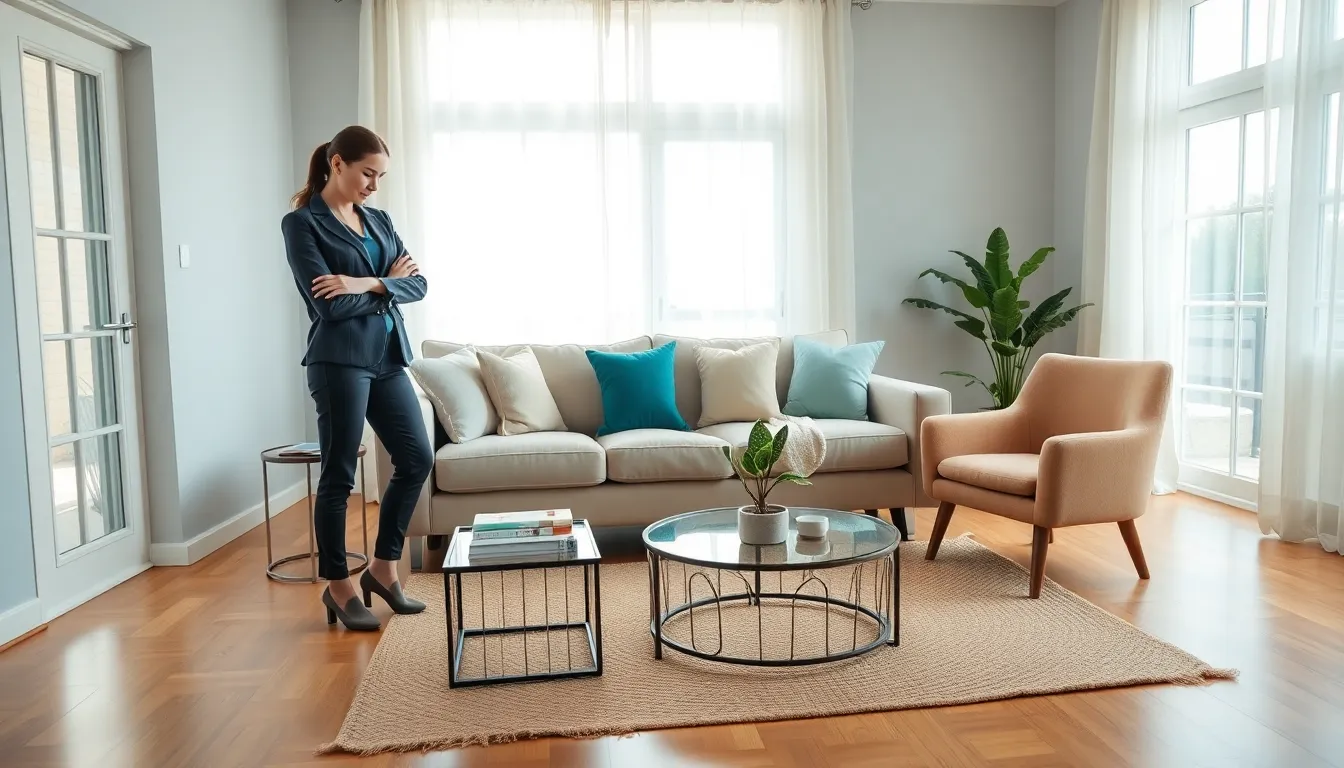
Interior design ideas for beginners don’t have to feel overwhelming. Anyone can create a space that looks cohesive and feels comfortable with the right approach. The key is starting with basic principles and building from there.
This guide breaks down essential interior design concepts into practical steps. Readers will learn how to select colors, arrange furniture, and add visual interest without making costly mistakes. Whether someone is decorating their first apartment or refreshing a room that never quite worked, these tips provide a solid foundation for success.
Table of Contents
ToggleKey Takeaways
- Master the fundamentals of balance, proportion, and harmony before purchasing furniture to avoid costly mistakes.
- Use the 60-30-10 color rule to create visual interest: 60% dominant color, 30% secondary, and 10% accent.
- Arrange furniture around a focal point while leaving at least 30 inches for main traffic pathways.
- Layer textures and materials—like wool, leather, and woven elements—to add depth and warmth to any room.
- Interior design ideas for beginners work best when you build gradually rather than buying everything at once.
- Hang artwork at eye level (57-60 inches from the floor) and layer multiple light sources for a polished look.
Understanding the Fundamentals of Interior Design
Every well-designed room starts with a few core principles. Balance, proportion, and harmony form the backbone of interior design ideas for beginners.
Balance refers to how visual weight distributes across a space. A room can achieve symmetrical balance (matching items on either side of a center point) or asymmetrical balance (different objects that carry similar visual weight). Neither approach is better, they simply create different moods.
Proportion deals with how objects relate to each other and the room itself. A massive sectional sofa in a tiny living room throws off proportion. A single small chair in a cavernous space does the same.
Harmony pulls everything together. This means colors, textures, and styles should feel connected rather than random. A room doesn’t need everything to match perfectly. It needs elements that share some common thread.
Beginners often skip these fundamentals and jump straight to buying furniture. That’s a mistake. Taking time to understand these principles saves money and frustration later. Before purchasing anything, consider how each piece will affect balance, proportion, and the overall harmony of the space.
Choosing a Color Palette That Works
Color selection intimidates many beginners. The good news? A simple formula exists.
Start with the 60-30-10 rule. This classic interior design approach divides colors into three categories:
- 60% goes to the dominant color (walls, large furniture pieces)
- 30% covers the secondary color (curtains, accent chairs, bedding)
- 10% belongs to an accent color (throw pillows, artwork, decorative objects)
This ratio creates visual interest without chaos. Beginners should pick colors that naturally appeal to them, then test samples in the actual space. Paint colors look dramatically different under various lighting conditions.
Neutral palettes offer safety for those who feel uncertain. Whites, grays, beiges, and taupes provide flexibility. They work with almost any accent color and won’t feel dated quickly.
Bold colors work too, they just require more commitment. A deep navy wall or emerald green sofa makes a strong statement. These choices look fantastic when executed well but feel harder to change later.
Interior design ideas for beginners often emphasize playing it safe with color. That’s valid advice, but don’t let fear prevent personal expression. A room should reflect the people who live there.
Arranging Furniture for Flow and Function
Furniture arrangement affects how a room feels and functions. Good placement creates natural pathways and conversation areas. Poor placement makes spaces feel cramped or disconnected.
Start by identifying the room’s focal point. This could be a fireplace, large window, television, or statement piece of furniture. Arrange primary seating to face or relate to this focal point.
Leave adequate walking paths, at least 30 inches for main traffic areas. Furniture shouldn’t block doorways or create obstacles. People should move through the space without squeezing past objects.
Create conversation zones in larger rooms. Pull furniture away from walls and toward each other. Sofas and chairs should sit close enough for comfortable conversation (typically 8-10 feet apart maximum).
Scale matters here too. A coffee table should reach about the same height as sofa cushions. End tables should align with armrest height. These proportional relationships make rooms feel intentional.
Many interior design ideas for beginners suggest starting with a floor plan. Measure the room and furniture, then sketch arrangements on paper or use a free online tool. This prevents the frustration of moving heavy pieces multiple times.
Adding Texture and Layering for Visual Interest
Flat, one-dimensional rooms feel boring. Texture and layering add depth and warmth.
Texture comes from materials: a nubby wool throw, smooth leather chair, rough jute rug, or glossy ceramic vase. Mixing different textures creates visual interest even within a monochromatic color scheme. A white room with linen curtains, velvet pillows, and a woven basket feels rich. The same room with only smooth surfaces feels sterile.
Layering builds on texture by adding dimension. Think of layers like this:
- Base layer: Large items like rugs, sofas, and curtains
- Middle layer: Accent furniture, lamps, and medium-sized decor
- Top layer: Small accessories, books, plants, and artwork
Each layer contributes to the finished look. Beginners sometimes stop at the base layer and wonder why rooms feel incomplete.
Plants deserve special mention. They add life, color, and texture simultaneously. Even people without green thumbs can find low-maintenance options. A fiddle leaf fig or snake plant transforms a corner. Trailing pothos softens shelves.
Interior design ideas for beginners should always include lighting as a layering element. Combine overhead lights with table lamps, floor lamps, and candles. This creates ambiance and allows mood adjustment throughout the day.
Common Beginner Mistakes to Avoid
Learning what not to do saves time and money. Here are frequent missteps beginners make:
Buying everything at once. Great rooms evolve over time. Purchasing a complete furniture set from one store often looks generic. Instead, collect pieces gradually and mix sources.
Ignoring scale. That gorgeous oversized armchair might overwhelm a small bedroom. Always measure twice and consider how items relate to each other and the room.
Hanging art too high. Artwork should center at eye level, roughly 57-60 inches from floor to center. Most people hang pieces too high, which disconnects them from furniture below.
Forgetting about lighting. A single overhead fixture rarely provides enough light. Layer multiple light sources at different heights for functionality and atmosphere.
Following trends blindly. Interior design ideas for beginners sometimes focus heavily on current trends. While trends offer inspiration, they shouldn’t override personal taste. A room full of items chosen because they’re trendy, not because they’re loved, won’t feel like home.
Skipping the edit. More isn’t always better. Once a room comes together, step back and remove one or two items. Restraint often improves the final result.