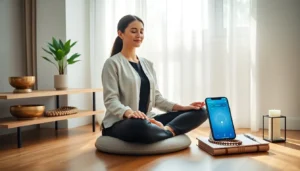
Interior design ideas for 2026 reflect a shift toward comfort, nature, and intentional living. Homeowners want spaces that feel warm yet uncluttered. They’re drawn to organic materials, bold color choices, and furniture with softer silhouettes. Sustainability also plays a bigger role than ever before. This guide breaks down the top interior design trends shaping homes in 2026, from warm minimalism to vintage-inspired decor. Whether someone is renovating a single room or redesigning an entire home, these ideas offer practical inspiration for creating spaces that feel current and personal.
Table of Contents
ToggleKey Takeaways
- Warm minimalism leads 2026 interior design ideas by combining simplicity with rich textures, earthy tones, and quality pieces that add character.
- Biophilic design connects homes with nature through indoor plants, natural materials like wood and stone, and maximizing natural light.
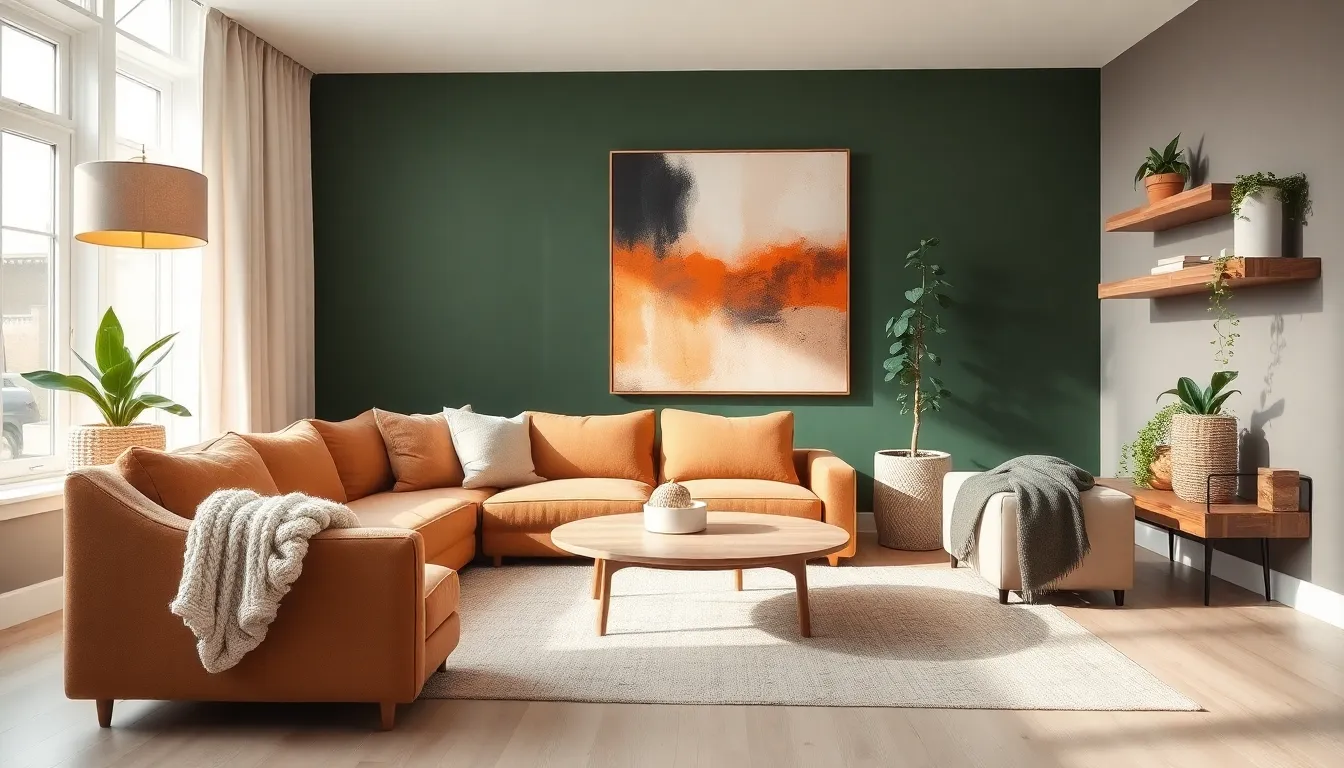
- Bold color palettes—deep greens, burnt oranges, and rich blues—are making a comeback through accent walls, statement furniture, and large-scale art.
- Curved furniture and organic shapes soften interiors, replacing sharp angles with rounded sofas, oval tables, and arched mirrors for a more inviting feel.
- Sustainability drives 2026 trends, with homeowners choosing vintage pieces, eco-friendly materials, and locally made products to reduce environmental impact.
- Mixing vintage finds with modern furniture creates personalized, eclectic spaces while supporting sustainable living.
Warm Minimalism Takes Center Stage
Warm minimalism dominates the interior design ideas for 2026. This approach keeps spaces simple but avoids the cold, sterile feel of traditional minimalism. Instead, it embraces rich textures, earthy tones, and natural light.
Think plush wool rugs, linen curtains, and furniture in soft caramel or terracotta shades. The goal is fewer items with more character. A single handcrafted ceramic vase can do more for a room than ten mass-produced decorations.
Designers recommend focusing on quality over quantity. A well-made sofa in a neutral tone becomes the anchor of a living room. Layered textiles, like chunky knit throws and cotton cushions, add depth without visual clutter.
Lighting matters too. Warm LED bulbs and dimmable fixtures help create an inviting atmosphere. Floor lamps with fabric shades soften harsh shadows and contribute to that cozy, lived-in aesthetic.
Warm minimalism works well in bedrooms, living rooms, and even home offices. It’s about editing down to what brings comfort and function, then adding warmth through thoughtful material choices.
Biophilic Design and Natural Materials
Biophilic design continues to grow as one of the strongest interior design ideas for 2026. This trend connects indoor spaces with nature. It boosts mood, reduces stress, and makes homes feel more alive.
Indoor plants remain essential. But the 2026 approach goes further. Large potted trees, hanging planters, and moss walls bring greenery to unexpected places. Even bathrooms and kitchens now feature plant displays.
Natural materials reinforce this connection. Wood, stone, rattan, and jute appear in furniture, flooring, and accessories. Reclaimed wood shelving, travertine countertops, and wicker chairs all fit this aesthetic.
Water features are gaining traction too. Small tabletop fountains or wall-mounted water panels add soothing sounds and movement. They serve as focal points while improving air quality.
Natural light plays a key role in biophilic design. Large windows, skylights, and sheer curtains let sunlight flood interiors. When natural light is limited, full-spectrum bulbs can mimic daylight.
This trend suits any room. A home office with a desk near a window and a few potted ferns feels calmer and more productive. A living room with a stone accent wall and wood furniture feels grounded and serene.
Bold Color Palettes and Statement Pieces
Neutral tones aren’t going anywhere, but 2026 interior design ideas welcome bold color palettes. Deep greens, burnt oranges, rich blues, and even unexpected purples are showing up in homes across the country.
Accent walls make a strong comeback. A single wall painted in forest green or navy blue transforms a room without overwhelming it. This technique works especially well in dining rooms and bedrooms.
Statement furniture is another way to add color. A mustard velvet armchair or a coral-colored sofa becomes the centerpiece of any space. These pieces stand out against neutral backgrounds and create visual interest.
Art plays a bigger role in 2026 interiors. Large-scale paintings, bold photography, and sculptural pieces give rooms personality. Homeowners are investing in original artwork rather than generic prints.
Mixing patterns is also on trend. Striped pillows paired with floral curtains or geometric rugs create dynamic, layered looks. The key is keeping a cohesive color scheme so the combinations don’t clash.
For those hesitant about bold walls or furniture, accessories offer a safer entry point. Colorful vases, vibrant throw blankets, and patterned lampshades inject energy without permanent commitment.
Curved Furniture and Organic Shapes
Sharp angles are stepping aside. Curved furniture and organic shapes rank among the top interior design ideas for 2026. Rounded sofas, arched doorways, and oval coffee tables soften interiors and create a sense of flow.
This trend draws inspiration from mid-century modern and Art Deco styles. Designers have updated these classic forms with contemporary fabrics and finishes. A curved sofa in bouclé fabric, for example, feels both retro and fresh.
Round dining tables encourage conversation. They eliminate the hierarchy of a head seat and make gatherings feel more intimate. Paired with curved-back chairs, they create a cohesive, welcoming dining area.
Mirrors with arched or irregular frames are popular additions. They bounce light around rooms while serving as sculptural decor. Placing one above a console table or fireplace adds instant visual appeal.
Even architectural details reflect this shift. Curved built-in shelving, rounded kitchen islands, and arched entryways appear in new constructions and renovations alike.
The appeal of curved furniture lies in its comfort and approachability. Rounded edges feel safe and inviting. They contrast nicely with the clean lines still present in many homes, creating balance.
Sustainable and Vintage-Inspired Choices
Sustainability shapes many interior design ideas in 2026. Homeowners increasingly choose eco-friendly materials, secondhand furniture, and locally made products. This shift reflects growing awareness of environmental impact.
Vintage and antique pieces are highly sought after. A mid-century sideboard or a Victorian mirror adds character that new furniture can’t replicate. These items also reduce demand for new manufacturing.
Thrift stores, estate sales, and online marketplaces offer treasure troves of unique finds. Mixing vintage items with modern pieces creates an eclectic, personalized look. A 1970s brass lamp looks great next to a contemporary sectional.
Recycled and upcycled materials gain popularity. Furniture made from reclaimed wood, recycled metal, or repurposed textiles appeals to eco-conscious buyers. Some brands now offer take-back programs to recycle old furniture.
Natural, non-toxic finishes matter more than before. Low-VOC paints, organic cotton textiles, and untreated wood reduce indoor air pollution. These choices benefit both the environment and personal health.
Supporting local artisans is another sustainable practice. Handmade ceramics, woven textiles, and custom woodwork reduce shipping emissions and support small businesses. These pieces often become conversation starters and treasured heirlooms.