Great interior design ideas and tips can turn any room from bland to brilliant. Whether someone is moving into a new home or refreshing an existing space, the right approach makes all the difference. A well-designed room feels comfortable, functional, and personal.
Many people feel overwhelmed by interior design choices. Paint colors, furniture arrangements, and lighting options can seem endless. But breaking the process into clear steps simplifies everything. This guide covers essential interior design ideas and tips that anyone can apply, no professional degree required.
Table of Contents
ToggleKey Takeaways
- Start every interior design project with a clear vision and mood board to avoid costly, mismatched purchases.
- Use the 60-30-10 color rule—dominant, secondary, and accent colors—to create a cohesive and harmonious palette.
- Float furniture away from walls and balance visual weight to improve flow and make rooms feel more spacious.
- Layer ambient, task, and accent lighting to add depth, dimension, and functionality to any space.
- Mix textures like wool, leather, metal, and wood to create sensory interest without adding visual clutter.
- Add personality gradually through accessories, plants, and artwork—grouping items in odd numbers for a natural look.
Start With a Clear Design Vision
Every successful interior design project begins with a vision. Before purchasing anything, homeowners should define what they want their space to feel like. Do they want a cozy retreat? A modern minimalist haven? A vibrant family hub?
Creating a mood board helps clarify this vision. Pinterest, magazines, and design blogs offer endless inspiration. Collecting images of rooms, colors, and textures that appeal to someone reveals their true style preferences.
A clear vision prevents costly mistakes. Without one, people often buy items impulsively that don’t work together. They end up with a mismatched collection rather than a cohesive space.
Consider these questions when forming a design vision:
- How will the room be used daily?
- Who will spend time in this space?
- What feeling should the room evoke?
- What existing pieces must stay?
These interior design ideas and tips work best when grounded in purpose. A home office needs different elements than a playroom. Function should drive every decision.
Choose a Cohesive Color Palette
Color sets the mood for any room. The right palette creates harmony while the wrong one causes visual chaos. Most designers recommend choosing three to five colors that work together.
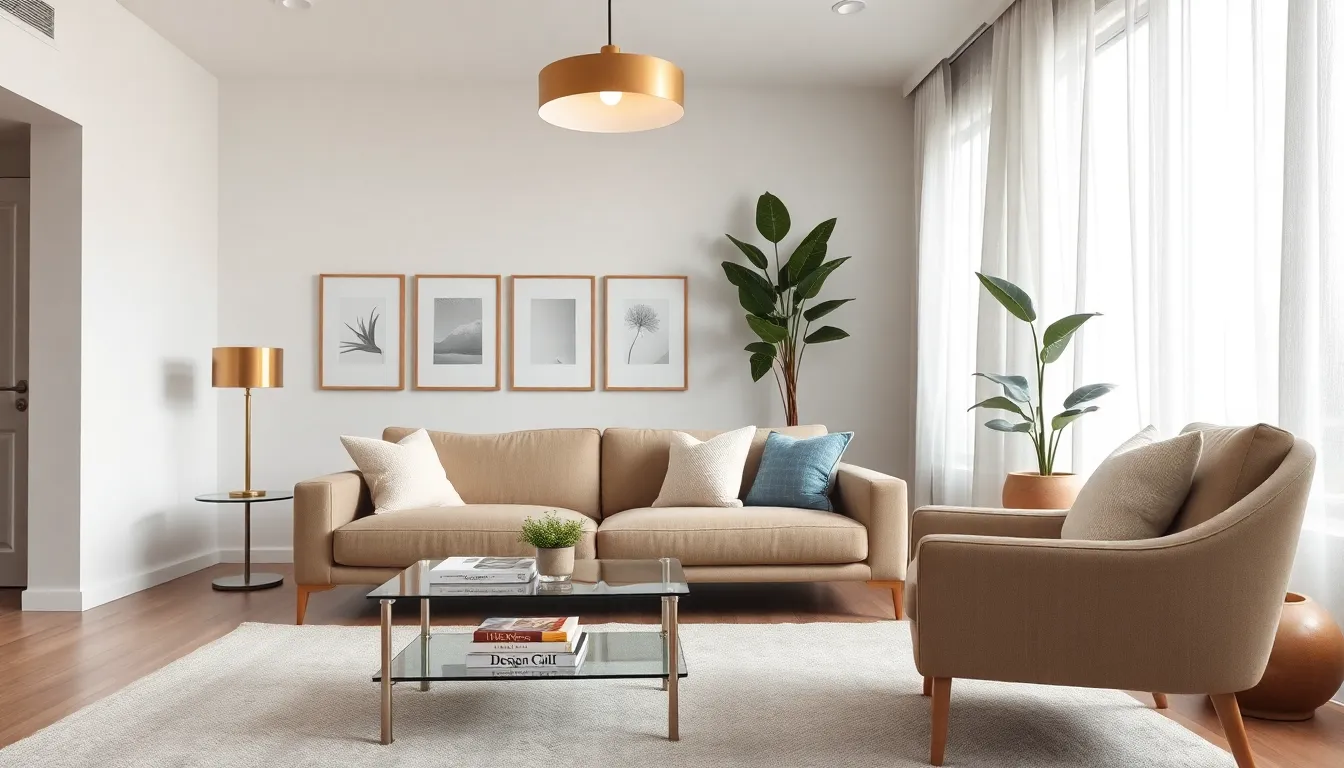
Start with a dominant color that covers about 60% of the space, typically walls and large furniture pieces. Add a secondary color at roughly 30% through curtains, rugs, and accent furniture. The remaining 10% goes to accent colors in pillows, artwork, and decorative objects.
Neutral bases offer flexibility. Whites, grays, and beiges provide calm backdrops that allow accent colors to pop. They also make future updates easier since changing small accessories costs less than repainting entire rooms.
Color psychology matters too. Blues and greens promote relaxation, making them ideal for bedrooms. Yellows and oranges energize spaces, suiting kitchens and home offices. Deep reds and purples add drama to dining rooms and living areas.
These interior design tips extend to testing colors before committing. Paint samples on walls and observe them at different times of day. Natural and artificial light dramatically change how colors appear. What looks perfect at noon might seem dull at 8 PM.
Balance Furniture and Layout
Furniture placement affects how people move through and experience a room. Good layout creates flow while poor arrangement makes spaces feel cramped or disconnected.
The first rule: don’t push everything against walls. Floating furniture creates intimate conversation areas and makes rooms feel larger. A sofa pulled a few feet from the wall instantly adds sophistication.
Scale matters tremendously. Oversized furniture overwhelms small rooms. Tiny pieces get lost in large spaces. Measure rooms carefully and consider furniture dimensions before buying. Many interior design ideas fail because people misjudge proportions.
Create clear pathways through rooms. Traffic flow should feel natural, not like an obstacle course. Major walkways need at least three feet of clearance.
Balance visual weight throughout the space. If a heavy bookcase sits on one side, anchor the opposite side with something substantial, a large plant, artwork grouping, or another furniture piece. Symmetry isn’t required, but equilibrium is.
Arrange seating to encourage conversation in living areas. Chairs and sofas should face each other with coffee tables positioned within easy reach. These practical interior design tips make rooms both beautiful and livable.
Layer Lighting for Depth and Function
Lighting transforms rooms more than almost any other element. Yet many homes rely on single overhead fixtures that cast harsh, flat light. Layered lighting adds dimension and serves multiple purposes.
Three types of lighting should work together:
- Ambient lighting provides overall illumination. Ceiling fixtures, recessed lights, and chandeliers fall into this category.
- Task lighting serves specific activities. Desk lamps, reading lights, and under-cabinet kitchen fixtures help people see what they’re doing.
- Accent lighting highlights features and creates atmosphere. Picture lights, uplights, and candles add drama and interest.
Dimmers offer instant versatility. Bright light suits morning routines while soft glow sets evening moods. Installing dimmer switches costs little but adds significant value.
Natural light deserves attention too. Window treatments should control sunlight without blocking it entirely. Sheer curtains diffuse harsh rays while maintaining brightness. Mirrors placed opposite windows bounce light deeper into rooms.
These interior design ideas about lighting apply to every room. A well-lit space feels inviting, comfortable, and functional at any hour.
Add Personality With Textures and Accessories
Texture brings rooms to life. Smooth leather, nubby wool, sleek metal, and rough wood create sensory interest that flat surfaces can’t match. Mixing textures adds depth without introducing more color.
Soft textures make spaces cozy. Throw blankets, plush rugs, and velvet pillows invite people to relax. Hard textures like glass tables and metal frames add structure and modern edge.
Accessories tell stories. Family photos, travel souvenirs, and collected objects reveal personality. But restraint prevents clutter. Group similar items together rather than scattering them randomly. Odd numbers, groups of three or five, typically look more natural than even groupings.
Plants deserve a place in most rooms. They add color, texture, and life while improving air quality. Even people without green thumbs can maintain low-maintenance varieties like pothos, snake plants, or ZZ plants.
Artwork anchors walls and draws attention. Hang pieces at eye level, typically 57 to 60 inches from floor to center. Gallery walls work well but require planning. Lay out arrangements on the floor before putting holes in walls.
These interior design tips about accessories apply gradually. Building a collection over time creates more authentic spaces than buying everything at once.