Interior design ideas and techniques can turn any room from ordinary to extraordinary. Whether someone is starting fresh in a new home or refreshing an existing space, the right approach makes all the difference. Good design isn’t about spending a fortune, it’s about understanding principles that create harmony, comfort, and style.
This guide covers the fundamentals every homeowner should know. It explores popular styles, essential balancing techniques, and practical ways to work with color, texture, and lighting. Budget-friendly tips round out the discussion, proving that great interior design ideas and techniques work at any price point.
Table of Contents
ToggleKey Takeaways
- Master the fundamentals of space, line, form, and texture to apply interior design ideas and techniques more effectively in any room.
- Use the 60-30-10 color rule—60% dominant, 30% secondary, 10% accent—to create balanced, visually appealing spaces.
- Layer ambient, task, and accent lighting to bring depth and functionality to your interior design.
- Achieve visual balance through symmetrical, asymmetrical, or radial arrangements that make rooms feel intentional.
- Stretch your budget with paint, thrifted furniture, DIY projects, and strategic splurges on high-impact items like sofas and lighting.
- Blend design styles that resonate with you while maintaining consistency for a cohesive, personalized space.
Understanding the Fundamentals of Interior Design
Every successful interior design project starts with core principles. These fundamentals guide decisions about furniture placement, color choices, and decorative elements.
Space is the foundation. Designers work with two types: positive space (areas filled with furniture and objects) and negative space (empty areas). A room needs both. Too much furniture creates clutter, while too little feels cold and uninviting.
Line creates shape and direction. Horizontal lines from tables and shelves suggest stability. Vertical lines from windows and doorways draw the eye upward, making rooms feel taller. Diagonal and curved lines add energy and movement.
Form refers to the shape of objects in a room. Geometric forms, squares, rectangles, circles, feel structured. Organic forms with natural, irregular shapes add softness. Mixing both creates visual interest.
Pattern and texture add depth. Patterns appear in fabrics, wallpaper, and rugs. Texture comes from materials like wood grain, woven baskets, or velvet upholstery. These elements prevent spaces from feeling flat.
Understanding these fundamentals helps anyone apply interior design ideas and techniques more effectively. They’re the building blocks that professionals use, and they work just as well for DIY projects.
Popular Interior Design Styles to Consider
Choosing a style gives direction to interior design ideas and techniques. Here are several approaches worth exploring:
Modern design features clean lines, minimal ornamentation, and neutral colors. It emerged in the early 20th century and emphasizes function over decoration. Think sleek furniture, open floor plans, and lots of natural light.
Contemporary style reflects current trends. It borrows from various periods but stays grounded in the present. Curved furniture, bold art pieces, and mixed materials define this look.
Scandinavian design prioritizes simplicity, functionality, and connection to nature. White walls, light wood, cozy textiles, and plenty of plants characterize this warm, inviting approach.
Industrial style celebrates raw materials and exposed structures. Brick walls, metal fixtures, reclaimed wood, and open ductwork create an urban loft aesthetic.
Mid-century modern draws from 1940s–1960s design. Organic shapes, tapered legs on furniture, and bold accent colors define this retro-yet-timeless look.
Bohemian style embraces color, pattern, and global influences. It’s relaxed, eclectic, and personal, perfect for collectors and free spirits.
Most people don’t stick rigidly to one style. They blend elements that speak to them. The key is maintaining some consistency so the space feels cohesive rather than chaotic.
Essential Techniques for Creating Visual Balance
Balance keeps a room from feeling lopsided or uncomfortable. It’s one of the most important interior design techniques to master.
Symmetrical balance mirrors elements on either side of a central point. Two matching nightstands flanking a bed or identical lamps on a console table create this effect. It feels formal and orderly.
Asymmetrical balance achieves equilibrium without exact mirroring. A large sofa might balance with two chairs on the opposite side. A tall plant could offset a substantial piece of art. This approach feels more casual and dynamic.
Radial balance arranges elements around a central point. A round dining table with chairs evenly spaced demonstrates this technique. It draws attention to the center and creates unity.
Scale and proportion matter enormously. Furniture should fit the room’s size. A massive sectional overwhelms a small living room. Tiny accent chairs get lost in a large space. Measure carefully and consider how pieces relate to each other.
The rule of thirds helps with placement. Divide a wall or surface into thirds, both horizontally and vertically. Position focal points at intersection points for natural, pleasing arrangements.
These interior design techniques work together. Mastering balance means a space feels intentional, not accidental.
Working With Color, Texture, and Lighting
Color, texture, and lighting transform how a room feels. These elements deserve careful attention in any interior design project.
Color Theory Basics
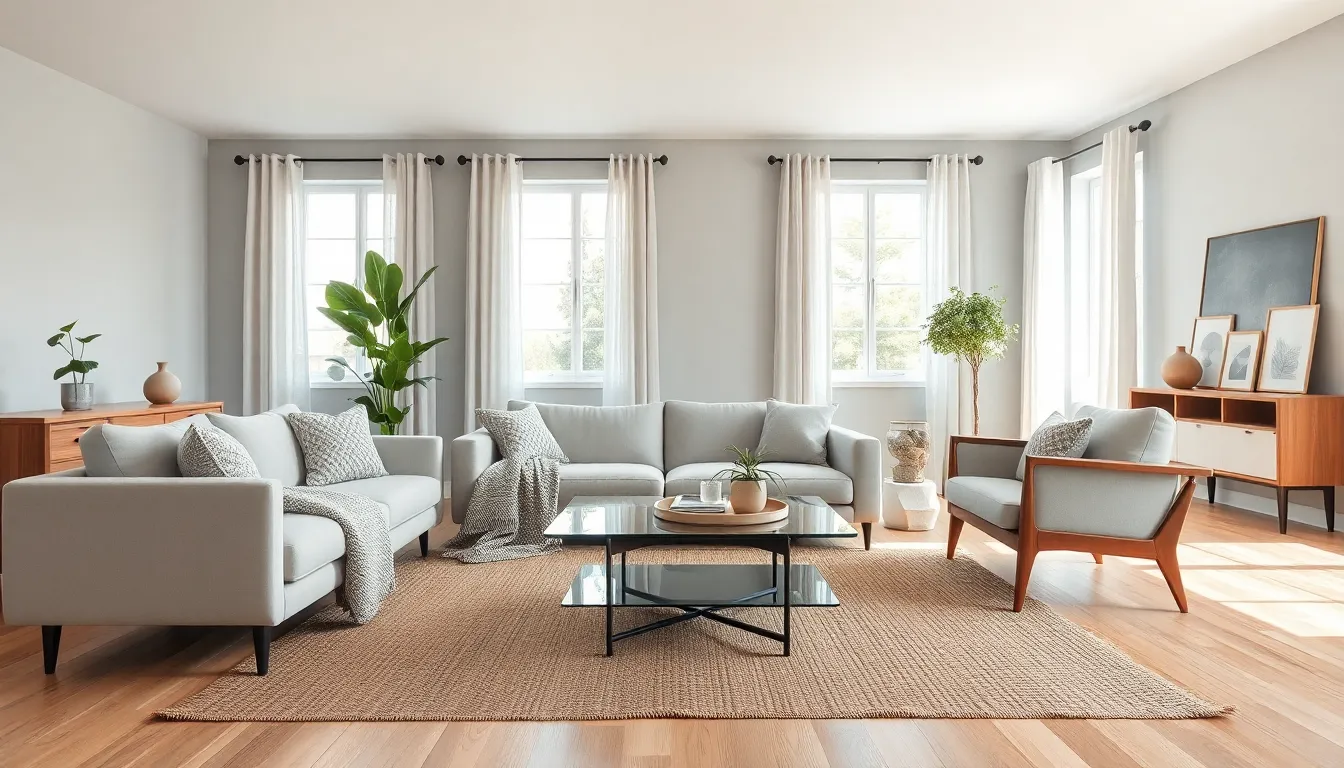
Colors affect mood. Blues and greens calm. Yellows and oranges energize. Neutrals provide flexibility. The 60-30-10 rule offers a reliable formula: 60% dominant color (usually walls), 30% secondary color (upholstery, curtains), and 10% accent color (pillows, art, accessories).
Warm colors make spaces feel cozy but smaller. Cool colors open rooms up visually. Dark colors add drama but absorb light. Light colors reflect it.
Texture Creates Dimension
Texture prevents visual boredom. A room with only smooth surfaces feels sterile. Layer different textures: a chunky knit throw on a leather sofa, a woven rug under a glass coffee table, linen curtains beside wood blinds.
Textural contrast matters most in neutral rooms. Without color variation, texture does the heavy lifting.
Lighting Strategies
Good lighting requires layers. Ambient lighting provides overall illumination, ceiling fixtures, recessed lights. Task lighting serves specific functions, desk lamps, under-cabinet lights. Accent lighting highlights features, picture lights, uplights for plants.
Natural light is free and flattering. Maximize it with mirrors, light window treatments, and strategic furniture placement that doesn’t block windows.
These interior design ideas and techniques work together. Color sets the tone, texture adds richness, and lighting brings everything to life.
Budget-Friendly Design Ideas for Any Room
Great interior design ideas don’t require unlimited funds. Smart choices stretch any budget.
Paint changes everything. A fresh coat costs little but transforms a space completely. An accent wall adds drama without painting the entire room. Cabinet paint updates kitchens and bathrooms affordably.
Thrift stores and estate sales yield quality furniture at fraction prices. Solid wood pieces from decades past often surpass today’s mass-produced options. A coat of paint or new hardware refreshes dated finds.
Rearranging costs nothing. Moving furniture to new positions creates a different feel instantly. Pull seating away from walls in living rooms to create conversation areas. Swap art between rooms for fresh perspectives.
DIY projects add personal touches. Frame fabric samples as art. Paint inexpensive planters. Create a gallery wall with thrifted frames painted a uniform color.
Plants bring life without very costly. Pothos, snake plants, and spider plants thrive with minimal care. They add color, texture, and improved air quality.
Strategic splurges make sense for high-impact items. A quality sofa sees daily use for years. Good lighting fixtures elevate an entire room. Invest there and save elsewhere.
Edit ruthlessly. Sometimes the best interior design technique is subtraction. Remove clutter, outdated accessories, and items that don’t serve a purpose. Space itself becomes a design element.
These budget-friendly interior design ideas prove that creativity matters more than cash.