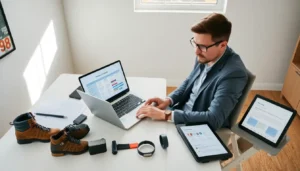
Gear recommendations vs. personal research, this debate has split outdoor enthusiasts, gamers, photographers, and hobbyists for years. On one side, trusted experts offer curated lists that save time. On the other, independent research lets buyers match gear to their specific needs. Both approaches have clear strengths. The trick is knowing when to lean on expert advice and when to dig deeper yourself. This article breaks down why gear recommendations attract so many followers, what personal research offers that curated lists can’t, and how to blend both methods for smarter purchasing decisions.
Table of Contents
ToggleKey Takeaways
- Gear recommendations save time by narrowing overwhelming choices, but they target average users rather than your specific needs.
- Personal research builds lasting expertise and catches details that reviewers might overlook, such as budget-friendly alternatives or niche use cases.
- Blindly following gear recommendations carries risks like reviewer bias, outdated information, and one-size-fits-all advice that may not fit your situation.
- Cross-reference three to five sources when evaluating gear recommendations to identify reliable consensus on product strengths and weaknesses.
- Combine expert recommendations with user reviews from retail sites to uncover real-world durability issues and long-term performance data.
- For major purchases, test gear in-store or rent before buying—no amount of research replaces hands-on experience.
Why Gear Recommendations Are Popular
Gear recommendations have exploded in popularity across YouTube, Reddit, and specialized blogs. The reason is simple: they save time.
Most buyers don’t want to spend 40 hours researching a tent, a camera lens, or a gaming headset. They want someone who has already tested multiple options to tell them what works. This shortcut appeals to beginners especially. A first-time hiker doesn’t know what differentiates a 20-denier fabric from a 40-denier one. A gear recommendation cuts through that confusion.
Trust plays a major role too. When a respected outdoor guide or tech reviewer endorses a product, their credibility transfers to that recommendation. Viewers assume the expert has done the hard work. They’ve compared specs, tested durability, and weighed value against price.
Gear recommendations also create community. Forums and social media groups form around shared equipment preferences. Members bond over their favorite brands, debate the merits of different models, and offer real-world feedback. This social proof reinforces buying decisions. If 500 people in a subreddit swear by a particular backpack, that carries weight.
Another factor is decision fatigue. Modern consumers face overwhelming choices. Amazon alone lists thousands of options for most product categories. Gear recommendations narrow the field. Instead of evaluating 200 tents, a buyer can focus on five that experts have vetted.
Finally, gear recommendations often include affiliate links that fund content creators. This economic model keeps reviews flowing. Creators have incentive to produce more content, and audiences get free access to detailed analysis.
The Value of Doing Your Own Research
Personal research offers something gear recommendations cannot: precision.
Every buyer has unique needs. A backpacker covering 25 miles daily prioritizes different features than someone doing weekend car camping. Gear recommendations target average users. Personal research addresses individual circumstances.
Doing your own research also builds knowledge. When someone spends time learning about materials, construction methods, and performance specs, they develop lasting expertise. This knowledge pays dividends on future purchases. The buyer who understands why certain boot soles grip wet rock better than others will make smarter decisions for years.
Personal research catches details that reviewers might overlook. A tech reviewer might not mention that a laptop runs hot during video editing because they primarily test web browsing. But if video editing is your main use case, that heat issue matters a lot.
Price sensitivity varies too. A gear recommendation might highlight a $300 jacket as the best option. But personal research could uncover a $150 alternative that meets 90% of the same needs. Reviewers often focus on premium products because they attract more views. Budget-conscious buyers benefit from digging beyond those highlights.
User reviews on retail sites provide another research layer. These comments come from regular buyers, not sponsored reviewers. They often mention long-term durability issues, customer service experiences, and real-world performance that press samples don’t reveal.
Personal research also helps buyers avoid hype cycles. New product launches generate excitement that can cloud judgment. Taking time to research allows the dust to settle and real performance data to emerge.
Limitations of Following Recommendations Blindly
Blindly following gear recommendations carries real risks.
First, consider bias. Many reviewers receive free products from manufacturers. Even honest reviewers may unconsciously favor brands that support their content. Affiliate commissions create similar pressures. A reviewer earns more money recommending expensive items, which can skew their picks toward premium options.
Gear recommendations also age quickly. A “best of 2023” list becomes outdated when manufacturers release improved models. Yet those old articles still appear in search results. Buyers who trust dated recommendations might miss better, newer options.
One-size-fits-all advice doesn’t fit everyone. A gear recommendation assumes certain use cases. A hiking boot review might prioritize lightweight construction for thru-hikers. But someone with ankle problems needs more support than the recommended boot provides. Without doing personal research, that buyer ends up with gear that doesn’t match their body or style.
Brand loyalty can also distort recommendations. Some reviewers develop relationships with specific companies over time. They may recommend products from those brands even when competitors offer better value.
Another limitation involves sample variation. The specific unit a reviewer tests might perform differently than the one a buyer receives. Manufacturing tolerances, quality control issues, and batch variations mean no two products are identical. A glowing review reflects one sample, not every item off the production line.
Finally, gear recommendations often focus on measurable specs while ignoring subjective factors. A tent might have the best weight-to-space ratio but feel cramped to tall users. Numbers don’t capture everything that matters.
How to Combine Both Approaches Effectively
The smartest buyers blend gear recommendations with personal research. Here’s how to do it well.
Start with Recommendations to Narrow Options
Use gear recommendations as a starting point, not an endpoint. Let expert picks create a shortlist of five to ten options worth investigating. This saves hours of initial filtering.
Cross-Reference Multiple Sources
Don’t rely on a single reviewer. Check three to five different sources for any major purchase. Look for consensus. If multiple independent reviewers highlight the same strengths and weaknesses, that information is likely reliable.
Match Recommendations to Your Specific Needs
After gathering recommendations, evaluate each option against your personal requirements. List your must-have features, deal-breakers, and nice-to-haves. Score each recommended product against that criteria.
Read User Reviews for Real-World Data
Support expert opinions with user reviews from retail sites. Pay special attention to negative reviews. They often reveal issues that promotional content glosses over. Look for patterns, if multiple users report the same problem, take it seriously.
Consider the Reviewer’s Context
Ask whether the reviewer shares your use case. A professional photographer testing lenses has different needs than a hobbyist. A gear recommendation from someone with similar circumstances carries more weight.
Check Publication Dates
Verify that recommendations are current. Technology and outdoor gear evolve quickly. A two-year-old recommendation might point to discontinued products or miss improved alternatives.
Test Before Committing When Possible
For major purchases, try before buying. Visit local stores to handle products. Rent gear for a trial run. No amount of research replaces hands-on experience.
This combined approach leverages the efficiency of gear recommendations while adding the precision of personal research. Buyers get expert guidance without sacrificing individual fit.