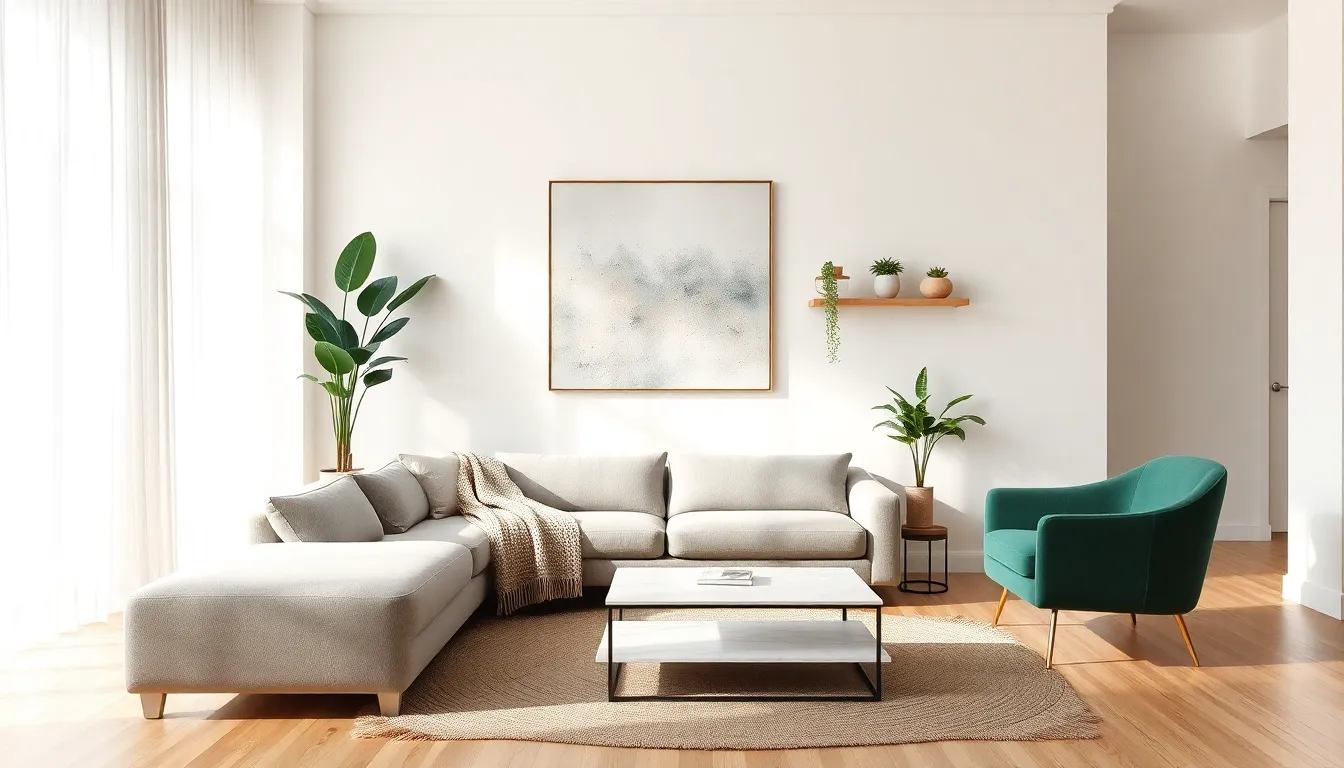
The best interior design ideas can turn any room into a space that feels both functional and inspiring. Whether someone lives in a compact apartment or a spacious home, thoughtful design choices make a real difference. Good interior design isn’t about spending a fortune. It’s about understanding how color, texture, layout, and natural elements work together.
This guide covers practical interior design ideas that anyone can apply. From minimalist aesthetics to bold color statements, these approaches help create rooms that reflect personal style while serving everyday needs. Each idea focuses on achievable changes that deliver visible results.
Table of Contents
ToggleKey Takeaways
- The best interior design ideas balance aesthetics with function, using color, texture, layout, and natural elements to transform any space.
- Minimalist design creates calm, uncluttered rooms through clean lines, neutral colors, and smart storage solutions.
- Incorporating plants, natural materials, and maximizing natural light improves both the look and feel of your home.
- Bold accent walls, statement furniture, and large-scale art can define a room’s personality without overwhelming it.
- Small spaces benefit from appropriately scaled furniture, multi-functional pieces, and mirrors that visually expand the room.
- Mixing textures like leather, velvet, natural wood, and varied metals adds depth and sophistication to any design scheme.
Embrace Minimalist Design for a Cleaner Look
Minimalist design remains one of the best interior design ideas for those who want calm, uncluttered spaces. This approach focuses on keeping only what serves a purpose or brings joy. Everything else goes.
Start by editing possessions ruthlessly. A minimalist room typically features clean lines, neutral colors, and open floor space. Furniture should be functional and well-made rather than decorative. Think a simple sofa in gray or white, a streamlined coffee table, and little else.
Storage plays a key role here. Built-in cabinets, hidden drawers, and multi-functional furniture keep clutter out of sight. A minimalist bedroom might have a platform bed with storage underneath and floating nightstands instead of bulky dressers.
The color palette matters too. Whites, beiges, and soft grays dominate minimalist interior design ideas. These shades create a sense of space and serenity. Add warmth through natural wood tones or a single accent color used sparingly.
Minimalism doesn’t mean cold or sterile. A carefully chosen piece of art, a quality throw blanket, or a single statement plant can add personality without creating visual noise.
Incorporate Natural Elements and Biophilic Design
Bringing nature indoors ranks among the best interior design ideas for improving both aesthetics and well-being. Studies show that natural elements reduce stress and boost mood. Plants, natural light, and organic materials create spaces that feel alive.
Indoor plants offer the most direct connection to nature. Large fiddle leaf figs make dramatic statements in corners. Trailing pothos plants soften shelves and windowsills. Even low-maintenance succulents add life to desks and bathroom counters. Group plants at different heights for a lush, layered effect.
Natural materials extend this connection. Wood furniture, stone countertops, rattan chairs, and jute rugs bring organic textures into any room. These materials age well and add warmth that synthetic alternatives can’t match.
Maximize natural light wherever possible. Remove heavy curtains in favor of sheer panels or blinds that allow light control without blocking it entirely. Position mirrors across from windows to bounce light deeper into rooms.
Water features, even small tabletop fountains, add another biophilic element. The sound of running water creates a calming atmosphere in home offices or bedrooms. These interior design ideas connect indoor spaces with the natural world outside.
Play With Bold Colors and Statement Pieces
For those who find minimalism too restrained, bold colors and statement pieces offer exciting interior design ideas. A single daring choice can define an entire room’s character.
Accent walls deliver impact without overwhelming a space. Deep emerald green, rich navy, or warm terracotta on one wall creates a focal point. Paint represents one of the most affordable ways to transform a room, and the easiest to change if tastes shift.
Statement furniture pieces anchor bold design schemes. A velvet sofa in jewel tones, an oversized vintage mirror, or a dramatic chandelier gives any room a personality. The key is restraint elsewhere. Let one or two pieces command attention while supporting elements stay neutral.
Art offers another avenue for bold interior design ideas. A large-scale painting or gallery wall draws the eye and sparks conversation. Art doesn’t need to be expensive, even framed fabric or personal photographs arranged thoughtfully make strong statements.
Pattern mixing takes confidence but rewards those who try. Combine stripes with florals or geometric prints with organic shapes. The trick is maintaining a consistent color palette across different patterns. This keeps the look cohesive rather than chaotic.
Maximize Small Spaces With Smart Layouts
Small rooms demand clever interior design ideas. Square footage limitations don’t have to mean sacrificing style or function. Smart layouts make compact spaces feel larger and work harder.
Furniture scale matters enormously. Oversized sofas overwhelm small living rooms. Instead, choose appropriately sized pieces and leave breathing room between them. Leggy furniture, pieces raised on visible legs, creates the illusion of more floor space by letting the eye travel underneath.
Multi-functional furniture solves storage and space problems simultaneously. Ottoman beds, expandable dining tables, and desks that fold against walls serve multiple purposes. A daybed in a home office functions as seating by day and a guest bed when needed.
Vertical space often goes underused. Tall bookshelves draw the eye upward and provide storage without consuming floor area. Floating shelves keep surfaces clear while displaying books or decorative objects. Hang curtains close to the ceiling rather than just above window frames, this simple trick makes ceilings appear higher.
Mirrors remain among the best interior design ideas for small spaces. A large mirror on one wall visually doubles the room’s depth. Mirrored closet doors achieve similar effects while hiding storage.
Mix Textures and Materials for Visual Interest
Texture mixing adds depth and sophistication to any design scheme. Even monochromatic rooms become interesting when they layer different materials and surfaces. This approach works across all styles, from modern to traditional.
Start with large surfaces. A leather sofa against a brick wall creates contrast. Smooth marble countertops beside rough-hewn wood cabinets play off each other beautifully. These pairings give the eye places to rest and explore.
Textiles offer easy texture opportunities. Layer a chunky knit throw over a smooth linen sofa. Place a shaggy rug on polished hardwood floors. Mix velvet pillows with cotton ones. These interior design ideas cost little but transform how a room feels.
Metals add another dimension. Brass, copper, chrome, and matte black finishes each bring distinct character. Mixing metal finishes within a single room, once considered a design sin, now reads as sophisticated and collected. A brass floor lamp beside chrome drawer pulls shows intentional curation.
Wall treatments extend texture beyond furniture and accessories. Textured wallpaper, board and batten paneling, or exposed brick add architectural interest. These treatments work particularly well on accent walls where they create focal points without overwhelming the space.