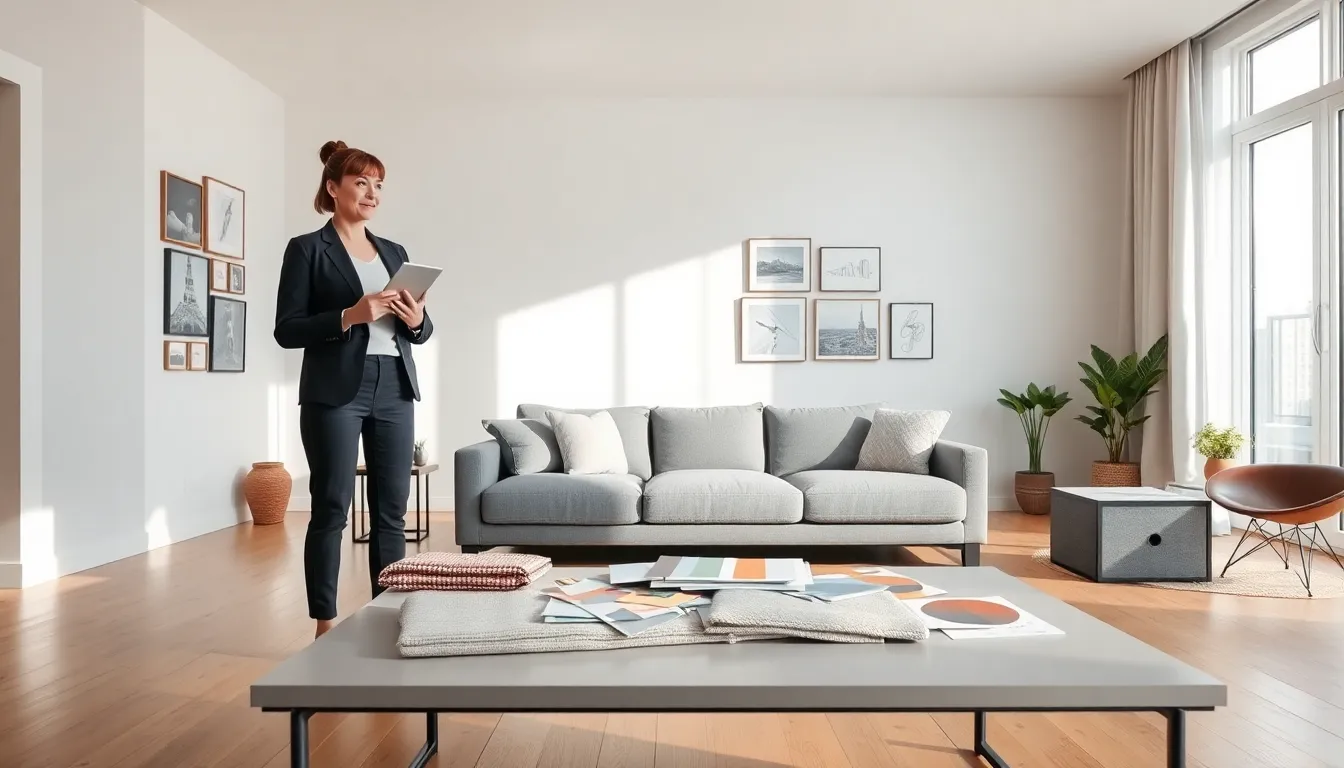
Finding interior design ideas that actually work for your home can feel overwhelming. Pinterest boards overflow with stunning rooms. Magazine spreads showcase spaces that seem impossible to recreate. Yet the best interior design ideas don’t require a professional designer or unlimited budget. They require intention, creativity, and a clear understanding of what makes a space feel like yours.
This guide breaks down the process into practical steps. From defining personal style to executing ideas on a budget, each section offers concrete strategies. Whether someone is redesigning a single room or overhauling an entire home, these interior design ideas provide a roadmap to create spaces that inspire daily life.
Table of Contents
ToggleKey Takeaways
- Define your personal style first by identifying items that spark joy and noting their common characteristics before exploring interior design ideas.
- Gather inspiration from multiple sources including Pinterest, Instagram, design magazines, and real-world spaces like hotels and restaurants.
- Work with your existing space by maximizing natural light, embracing architectural quirks, and ensuring proper traffic flow for functional rooms.
- Use the 60-30-10 color rule to create a cohesive palette that ties your interior design ideas together throughout your home.
- Prioritize spending on high-use items like sofas and dining tables, and save money by shopping secondhand or taking on strategic DIY projects.
- Phase large design projects room by room to spread costs over time and allow your style preferences to evolve naturally.
Define Your Personal Style
Every successful interior design project starts with one question: What style feels right? Without this foundation, rooms become hodgepodge collections of trendy items that don’t connect.
Start by examining daily habits and preferences. Someone who loves minimalism likely prefers clean lines, neutral colors, and open spaces. A person drawn to vintage shops might gravitate toward eclectic or bohemian styles. Interior design ideas flow more naturally once this baseline exists.
Here’s a practical exercise: Walk through the current living space and identify five items that spark joy. Note what they have in common. Are they colorful or muted? Modern or antique? Textured or smooth? These patterns reveal authentic preferences better than any quiz.
Common interior design styles include:
- Modern: Clean lines, minimal ornamentation, neutral palettes
- Traditional: Classic furniture, rich colors, symmetrical arrangements
- Bohemian: Layered textures, global influences, eclectic collections
- Scandinavian: Functionality, light woods, cozy textiles
- Industrial: Exposed materials, metal accents, open layouts
Most people blend two or three styles. That’s perfectly fine. Interior design ideas work best when they reflect real personalities, not strict adherence to a single aesthetic.
Gather Inspiration From Multiple Sources
Once personal style takes shape, the hunt for interior design ideas begins in earnest. Smart designers cast a wide net.
Digital Platforms
Pinterest remains a powerhouse for visual inspiration. Create boards organized by room or style. Instagram hashtags like #interiordesign and #homedecor surface thousands of ideas daily. Houzz offers photos organized by room type, style, and budget level.
Physical Spaces
Don’t overlook real-world inspiration. Hotels, restaurants, and retail stores employ professional designers. Pay attention to lighting choices, furniture arrangements, and color combinations. Even a well-designed coffee shop can spark interior design ideas worth stealing.
Print Media
Design magazines like Architectural Digest and Elle Decor showcase high-end spaces. But local home magazines often feature more attainable interior design ideas. Tear out pages or snap photos of anything appealing.
Nature and Travel
Some of the best interior design ideas come from unexpected places. A sunset might inspire a color palette. A coastal vacation could influence texture choices. Stay open to inspiration beyond traditional design sources.
The key is collecting more ideas than needed. A large inspiration pool makes it easier to identify patterns and preferences. What appears repeatedly? Those elements deserve priority in the final design.
Work With Your Existing Space
Interior design ideas must account for reality. Every space has fixed elements: room dimensions, window placements, architectural features. Working with these constraints, rather than fighting them, produces better results.
Start by measuring everything. Know the exact dimensions of each room. Note where electrical outlets sit. Identify load-bearing walls that can’t move. This information prevents costly mistakes and unrealistic expectations.
Maximize Natural Light
Light transforms spaces more than any furniture choice. Position mirrors opposite windows to bounce light deeper into rooms. Choose lighter curtains that filter rather than block sunlight. Paint rooms with north-facing windows in warm tones to compensate for cooler natural light.
Work With Architectural Features
Odd corners, sloped ceilings, and awkward nooks challenge many homeowners. But these quirks often become the most memorable interior design ideas. A sloped ceiling creates a cozy reading nook. An odd corner becomes a built-in bookshelf. Exposed beams add character rather than problems.
Consider Traffic Flow
Furniture placement affects how spaces feel and function. Leave clear pathways between main areas. Position seating to encourage conversation. Test different arrangements before committing to one layout.
The best interior design ideas enhance what already exists. They don’t try to transform a cozy cottage into a modern loft or vice versa.
Start With A Cohesive Color Palette
Color choices make or break interior design ideas. A cohesive palette ties rooms together and creates visual harmony throughout a home.
The 60-30-10 Rule
Designers use this formula constantly. Sixty percent of a room uses the dominant color, typically walls and large furniture pieces. Thirty percent features a secondary color through curtains, accent chairs, or rugs. Ten percent adds pops of an accent color via pillows, artwork, and accessories.
This ratio creates balance without monotony. It gives interior design ideas structure while allowing personality to shine through.
Choose Colors That Flow
Adjacent rooms should share at least one color. This creates visual continuity as people move through a home. The accent color in one room might become the dominant shade next door.
Test Before Committing
Paint samples on large poster boards. Move them around the room at different times of day. Colors shift dramatically under various lighting conditions. A shade that looks perfect at noon might feel cold at night under artificial lights.
Don’t Fear Bold Choices
Neutral palettes work well, but they aren’t the only option. A deep navy accent wall or emerald green sofa can anchor interior design ideas with personality. The key is balance, bold elements need quieter companions.
Bring Your Ideas To Life On A Budget
Great interior design ideas don’t require unlimited funds. Strategic spending and creative solutions stretch any budget further.
Prioritize High-Impact Items
Spend more on pieces used daily: sofas, mattresses, dining tables. These items affect quality of life and see heavy wear. Save money on trendy accessories that can be swapped out cheaply as tastes evolve.
Shop Secondhand
Thrift stores, estate sales, and online marketplaces offer quality furniture at fraction of retail prices. Many solid wood pieces from decades past outlast modern flat-pack alternatives. A fresh coat of paint or new hardware transforms dated finds into stylish statements.
DIY Strategically
Some projects save significant money. Painting walls, installing shelving, and sewing simple curtains require basic skills and minimal investment. Other projects, electrical work, plumbing, structural changes, demand professionals. Know the difference.
Phase Large Projects
Executing all interior design ideas at once overwhelms both budgets and sanity. Start with the room that gets the most use. Complete it fully before moving to the next space. This approach spreads costs over time and allows preferences to evolve naturally.
Embrace Temporary Solutions
Renters face special challenges. Removable wallpaper, tension rod curtains, and furniture placement solve many issues without permanent changes. These temporary interior design ideas protect deposits while personalizing spaces.