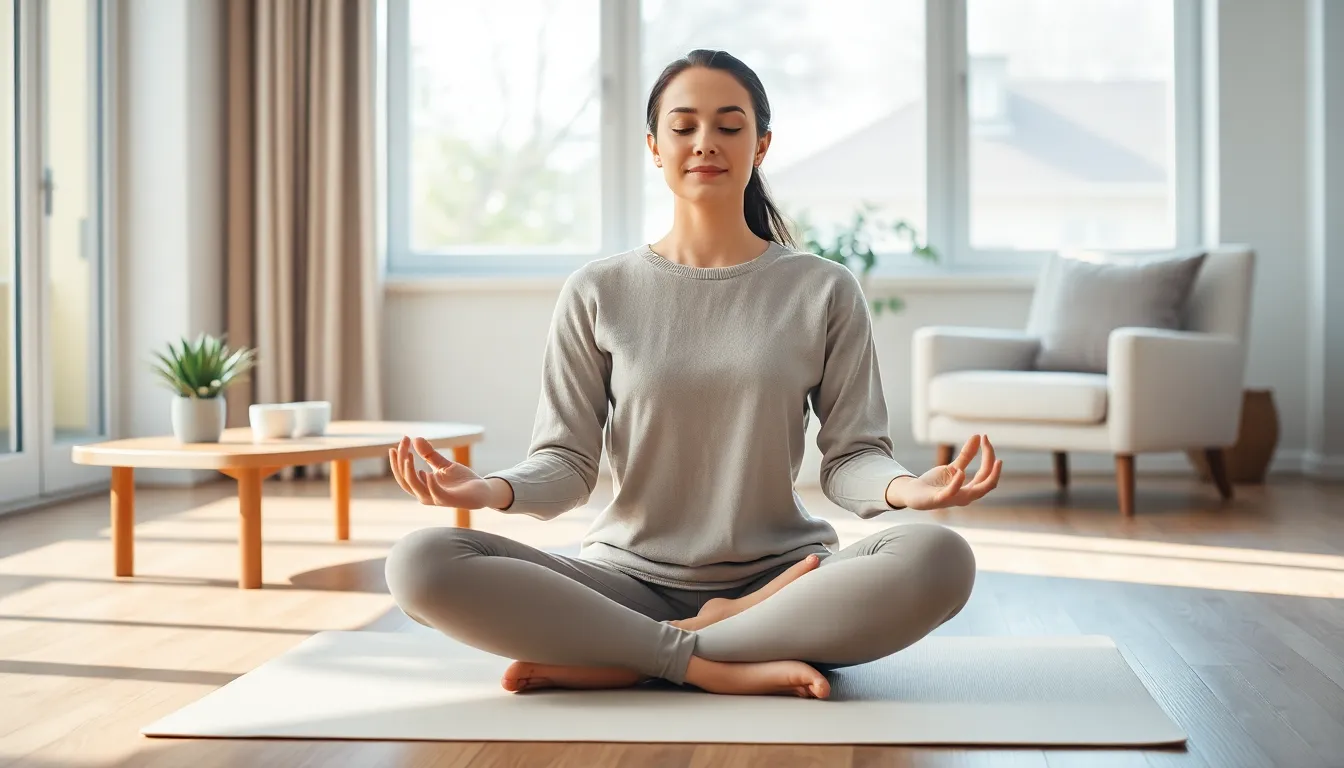
Mindfulness practices for beginners offer a straightforward path to reducing stress and improving mental clarity. Many people hear the term “mindfulness” and picture hours of silent meditation or complicated techniques. The reality is much simpler. Anyone can start practicing mindfulness today with just a few minutes and zero special equipment.
This guide breaks down practical mindfulness practices for beginners into clear, actionable steps. Readers will learn what mindfulness actually means, discover easy breathing exercises, explore body scan meditation, and find ways to weave mindfulness into everyday routines. No experience required, just a willingness to pay attention.
Table of Contents
ToggleKey Takeaways
- Mindfulness practices for beginners require just a few minutes daily and no special equipment to reduce stress and improve mental clarity.
- Breathing exercises like 4-7-8 breathing and box breathing activate the body’s relaxation response and can be practiced anywhere.
- Body scan meditation builds mind-body awareness and helps recognize early signs of stress before they escalate.
- Everyday activities like eating, walking, or waiting for coffee can become opportunities for informal mindfulness practice.
- Consistency matters more than duration—short daily sessions build stronger mindfulness habits than occasional long practices.
- Research shows regular mindfulness practice can improve anxiety, depression, focus, sleep quality, and even change brain structure over time.
What Is Mindfulness and Why Does It Matter
Mindfulness is the practice of paying attention to the present moment without judgment. It means noticing thoughts, feelings, and physical sensations as they happen, rather than dwelling on the past or worrying about the future.
The concept has roots in Buddhist meditation traditions dating back thousands of years. But, modern mindfulness practices for beginners don’t require any religious belief or background. Secular mindfulness programs now exist in schools, workplaces, and healthcare settings worldwide.
The Science Behind Mindfulness
Research supports the benefits of regular mindfulness practice. A 2014 meta-analysis published in JAMA Internal Medicine found that mindfulness meditation programs showed moderate evidence of improving anxiety, depression, and pain. Studies using brain imaging have shown that consistent mindfulness practice can actually change brain structure, increasing gray matter in areas linked to learning, memory, and emotional regulation.
Key Benefits for Beginners
People who practice mindfulness regularly report several improvements:
- Reduced stress levels – Mindfulness helps break the cycle of anxious thoughts
- Better focus and concentration – Training attention strengthens the ability to stay present
- Improved emotional regulation – Practitioners learn to respond rather than react
- Better sleep quality – A calmer mind settles more easily at bedtime
- Lower blood pressure – The relaxation response has measurable physical effects
Mindfulness practices for beginners don’t require perfection. The goal isn’t to empty the mind completely. Instead, it’s about noticing when attention wanders and gently bringing it back. That simple act of returning attention builds mental strength over time.
Simple Breathing Techniques to Try Today
Breathing exercises form the foundation of most mindfulness practices for beginners. The breath provides a reliable anchor, it’s always available and requires no special tools.
The Basic Breath Awareness Exercise
This technique takes just five minutes:
- Sit comfortably with feet flat on the floor
- Close the eyes or soften the gaze downward
- Breathe naturally, don’t try to change anything
- Notice the sensation of air entering and leaving the nostrils
- When the mind wanders (it will), gently return focus to the breath
- Continue for five minutes
That’s it. Simple doesn’t mean easy, though. Most beginners find their minds wandering constantly. This is completely normal. Each time attention returns to the breath, that’s the practice working.
4-7-8 Breathing for Calm
Dr. Andrew Weil popularized this technique, which activates the body’s relaxation response:
- Inhale quietly through the nose for 4 counts
- Hold the breath for 7 counts
- Exhale completely through the mouth for 8 counts
- Repeat the cycle 3-4 times
This breathing pattern slows the heart rate and signals safety to the nervous system. Many practitioners use it before stressful situations or at bedtime.
Box Breathing
Navy SEALs use this mindfulness technique to stay calm under pressure:
- Inhale for 4 counts
- Hold for 4 counts
- Exhale for 4 counts
- Hold for 4 counts
- Repeat
The equal intervals create a sense of control and balance. Box breathing works well as a quick reset during a busy day.
Beginners should start with just two to three minutes of breathing exercises daily. Consistency matters more than duration. A short daily practice builds stronger habits than occasional long sessions.
Body Scan Meditation for Relaxation
Body scan meditation offers one of the most accessible mindfulness practices for beginners. This technique involves systematically moving attention through different parts of the body, noticing sensations without trying to change them.
How to Practice a Body Scan
Set aside 10-20 minutes for a full body scan:
- Lie down on a comfortable surface or sit in a supportive chair
- Close the eyes and take three deep breaths
- Bring attention to the top of the head, notice any sensations there
- Slowly move attention down through the face, jaw, and neck
- Continue through the shoulders, arms, and hands
- Notice the chest, belly, and back
- Move through the hips, legs, and feet
- Finish by sensing the body as a whole
Some areas might feel tense, warm, tingling, or numb. Other areas might feel neutral, nothing particular stands out. Both experiences are valid. The practice isn’t about achieving any specific state but about developing awareness.
Why Body Scans Work
Many people carry physical tension without realizing it. Clenched jaws, tight shoulders, and shallow breathing often go unnoticed during daily activities. Body scan meditation builds the connection between mind and body.
This mindfulness practice helps beginners recognize early signs of stress. When someone notices shoulder tension building during a difficult conversation, they can consciously relax before the tension becomes a headache.
Tips for Better Body Scans
- Practice at the same time daily to build routine
- Use a guided recording if attention wanders frequently
- Don’t judge what arises, simply observe
- If an area feels uncomfortable, breathe into it gently
- End with gratitude for the body’s constant work
Body scan meditation also serves as an effective sleep aid. Practicing while lying in bed helps many people transition into restful sleep naturally.
Incorporating Mindfulness Into Daily Activities
Formal meditation isn’t the only way to practice. Mindfulness practices for beginners can happen during ordinary activities throughout the day. This informal approach helps build awareness without requiring extra time.
Mindful Eating
Most people eat while distracted, watching screens, working, or rushing between tasks. Mindful eating changes this pattern:
- Look at the food before eating, notice colors and textures
- Smell the meal and appreciate the aromas
- Take small bites and chew slowly
- Notice flavors as they change
- Put the fork down between bites
This practice often leads to better digestion, more enjoyment of food, and natural portion control. Even practicing mindful eating for just one meal per week makes a difference.
Mindful Walking
Walking offers another opportunity for mindfulness practice:
- Feel each foot touching the ground
- Notice the shift of weight from heel to toe
- Observe surroundings, trees, buildings, sounds
- Match breathing to footsteps if desired
- Walk at a slower pace than usual
A five-minute mindful walk during a lunch break can reset the mind more effectively than scrolling through a phone.
Mindfulness Triggers
Setting up “triggers” throughout the day helps beginners remember to practice. Common triggers include:
- Waiting for coffee to brew
- Stopping at red lights
- Washing hands
- Hearing a phone ring
- Opening the front door
Each trigger becomes a cue to take three conscious breaths or check in with the body. These micro-practices add up. Over weeks and months, they create a more mindful default state.
The One-Minute Reset
Anyone can find one minute. This quick mindfulness practice works anywhere:
- Stop whatever activity is happening
- Take one deep breath
- Notice five things visible in the environment
- Notice three sounds
- Notice one physical sensation
- Return to the task
This technique grounds attention in the present moment and breaks patterns of distraction or rumination.