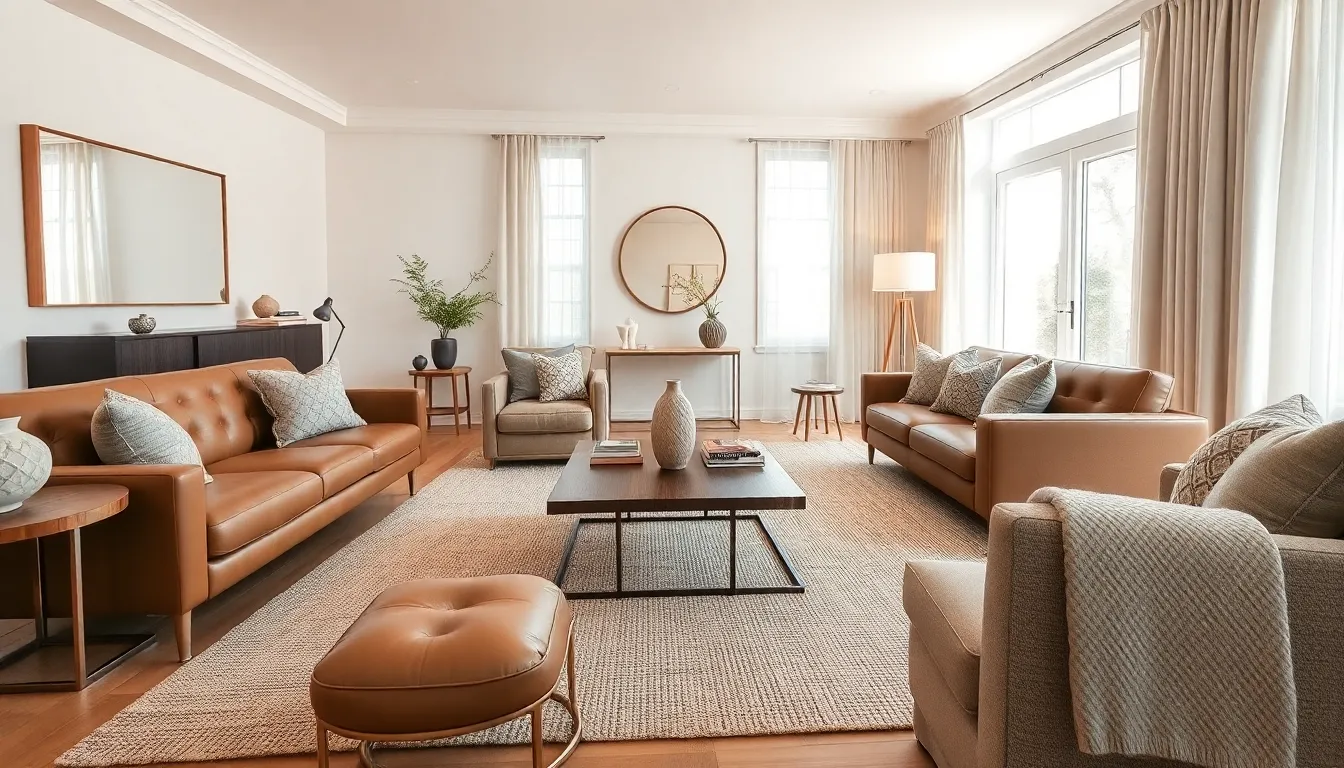
Interior design ideas and strategies can turn any room from forgettable to stunning. Whether you’re starting fresh or refreshing an existing space, the right approach makes all the difference. Good design isn’t about spending a fortune, it’s about making smart choices that reflect your taste and lifestyle.
This guide covers practical interior design ideas and strategies that work for any budget. You’ll learn how to define your style, arrange furniture effectively, use color and lighting to your advantage, and create visual depth through textures. Every tip here aims to help you build a space that feels both beautiful and functional.
Table of Contents
ToggleKey Takeaways
- Define your personal style first by collecting inspiration and identifying patterns in what appeals to you before making any purchases.
- Smart furniture placement—like floating pieces away from walls and maintaining clear pathways—can make any room feel more spacious without spending money.
- Apply the 60-30-10 color rule and layer three types of lighting (ambient, task, and accent) to control mood and atmosphere in each room.
- Mix textures and patterns at varying scales to add visual depth and prevent flat, boring spaces.
- Budget-friendly interior design ideas and strategies like paint, thrifted furniture, and hardware swaps deliver high impact without major investment.
- Edit ruthlessly and invest strategically—spend more on daily-use items and save on trendy pieces that may feel dated quickly.
Define Your Personal Style First
Every successful interior design project starts with a clear vision. Before buying furniture or picking paint colors, take time to identify what appeals to you. This step prevents costly mistakes and creates a cohesive look throughout your home.
Start by collecting inspiration. Browse magazines, Pinterest boards, and design websites. Save images that catch your eye. After gathering 20 to 30 photos, look for patterns. Do you gravitate toward clean lines and neutral tones? That’s modern minimalism. Prefer warm woods, vintage pieces, and layered accessories? You might lean toward bohemian or traditional styles.
Your lifestyle matters too. A family with young kids needs durable fabrics and washable surfaces. Someone who entertains often should prioritize open layouts and extra seating. These practical considerations shape which interior design ideas and strategies will actually work for your daily life.
Don’t feel locked into one style. Many of the best spaces blend elements from different aesthetics. A modern room can include a vintage rug. A traditional space can feature contemporary art. The key is consistency in your color palette and overall feel.
Maximize Space With Smart Furniture Placement
Furniture placement affects how a room looks and functions. Even a small space can feel spacious with the right arrangement. Poor placement, on the other hand, makes even large rooms feel cramped.
Start by measuring your room and creating a floor plan. Note windows, doors, outlets, and architectural features. This map helps you visualize different layouts before moving heavy pieces around.
Follow the “conversation zone” rule in living areas. Position seating pieces within eight feet of each other to encourage interaction. Float furniture away from walls when possible, this creates better flow and makes rooms feel larger. A sofa placed a few inches from the wall, with a console table behind it, adds depth and interest.
Leave clear pathways. Allow at least 30 inches for main traffic routes through a room. People should move easily without squeezing between furniture.
Scale matters in furniture selection. A massive sectional overwhelms a small living room. Tiny chairs get lost in a grand space. Measure carefully and choose pieces that fit your room’s proportions.
These interior design ideas and strategies for furniture placement cost nothing but make a dramatic difference. Before buying anything new, experiment with what you already own.
Use Color and Lighting Strategically
Color and lighting are two of the most powerful tools in interior design. They affect mood, perceived space, and the overall atmosphere of any room.
Light colors make spaces feel larger and brighter. Dark colors create intimacy and drama. Most designers recommend the 60-30-10 rule: 60% of the room in a dominant color (usually walls), 30% in a secondary color (furniture and textiles), and 10% in an accent color (accessories and art).
Warm colors like red, orange, and yellow energize a space. Cool colors like blue, green, and gray create calm. Consider the room’s purpose when choosing your palette. Bedrooms benefit from soothing tones. Home offices often work well with colors that promote focus.
Lighting deserves equal attention. Layer three types of lighting in each room: ambient (general overhead), task (focused for specific activities), and accent (highlighting features or artwork). This combination gives you control over the room’s mood at different times.
Natural light is free and flattering. Maximize it with light window treatments and strategically placed mirrors. A mirror opposite a window effectively doubles the natural light in a room.
These interior design ideas and strategies around color and lighting can transform a space without major renovations.
Layer Textures and Patterns for Visual Interest
Flat, one-dimensional rooms feel boring. Texture and pattern add the visual depth that makes a space feel complete and inviting.
Texture refers to the surface quality of materials. Smooth surfaces like glass and polished metal reflect light and feel modern. Rough textures like woven baskets, nubby fabrics, and raw wood absorb light and add warmth. A well-designed room includes both.
Layer textures throughout your space. In a living room, combine a leather sofa with linen pillows, a wool rug, and a wooden coffee table. The contrast between these materials creates richness that a single texture can’t achieve.
Patterns work similarly but require more caution. Mix patterns by varying their scale. Pair a large-scale floral with a small geometric print. Keep colors consistent across different patterns to maintain cohesion.
The rule of three helps here: use three different patterns in varying scales within one space. More than three can feel chaotic unless you’re very skilled at mixing.
Textiles offer the easiest way to add texture and pattern. Throw pillows, blankets, curtains, and rugs can all be changed seasonally or as your tastes evolve. These interior design ideas and strategies let you update a room without painting or buying new furniture.
Budget-Friendly Design Tips That Make an Impact
Great interior design doesn’t require unlimited funds. Some of the most effective changes cost little or nothing.
Paint delivers the highest impact per dollar. A fresh coat of paint transforms a room in a weekend. Don’t overlook trim, doors, and ceilings, painting these often-ignored surfaces makes the whole space feel new.
Thrift stores and estate sales offer quality furniture at fraction of retail prices. Solid wood pieces from decades past often surpass today’s mass-produced options in quality. A coat of paint or new hardware can modernize dated pieces instantly.
Swap out hardware throughout your home. Cabinet pulls, door handles, and light switch plates are inexpensive but create a more polished look. Brass or matte black finishes update spaces quickly.
Edit ruthlessly. Removing clutter costs nothing and immediately improves any room. If you haven’t used or loved something in a year, consider donating it.
Invest strategically. Spend more on pieces you use daily, a good sofa, a quality mattress, a comfortable dining chair. Save on trendy items that might feel dated in a few years.
DIY where skills allow. Simple projects like painting, installing shelving, or recovering cushions are approachable for beginners. Leave electrical work, plumbing, and structural changes to professionals.
These interior design ideas and strategies prove that creativity matters more than budget size.